 LO
LO
General practitioner / primary care doctor — how we know
The page itself gives the judgements. This one gives what they rest on: which technologies bear on the work, how the estimate moved since language models reached the public, and the method behind both.
Which technologies matter here#
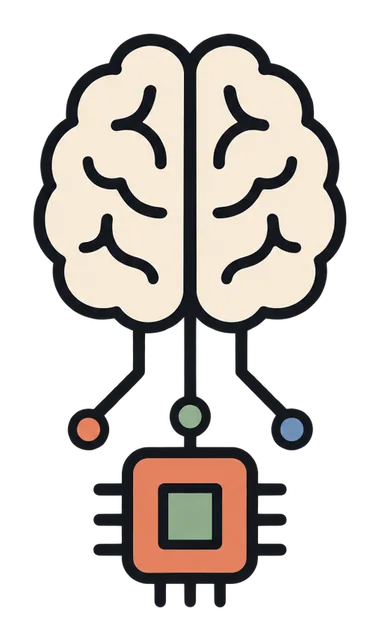
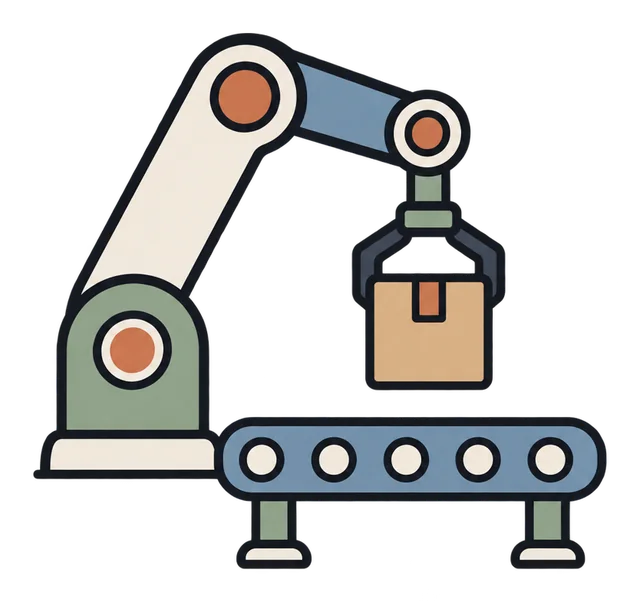
Four separate signals. They are deliberately not added together — a job exposed to two technologies is not twice as exposed.
How it got here#
The index is not a static number. This is where it would have sat at each capability checkpoint since ChatGPT — reconstructed, and labelled as such.
—— this stretch contains a verified event- - - no event in this stretch — reconstruction only0 = no task exposed, 100 = every task exposed
● 2 verified events for this occupation, plotted at the date it happened — the parts of the line near a marker are anchored to something checkable.
A low start that reflects where medicine actually was: in late 2022 the tools in a consulting room were a template library and a drug-interaction checker, neither of which had moved in a decade. The climb through 2023-2025 is one task and one task only — the note — arriving in a form clinicians would tolerate, because a draft a doctor signs has a referee and a diagnosis suggestion does not. It goes flat early and stays flat, and the flattening is the finding: the tasks that carry the weight of this job are the examination, the decision made with the patient, and the signature, and none of them has a mechanism to move that does not require a change in law. Read the height as documentation, not as medicine.
A flat line is not a forecast of safety. It says which tasks automation has reached so far — the occupations that moved least here are the ones where the constraint is physical or regulatory, and both of those can change.
Method and sources#
- Assessment date
- 2026-09-14
- Basis of the task judgements
- 3 evidence-backed · 2 platform inference · 0 not enough evidence
- Verified events
- 2