 LO

Occupations
Each occupation is broken down into its actual tasks, because that is where automation lands — not on a job title.
Will AI replace my job? The short answer →
160 occupations so far. More are added as we can research them properly rather than generate them.
Since ChatGPT, occupation by occupation
Each line is the impact index at every capability checkpoint since late 2022, sorted by how far it rose. Estimated today for the past, not measured at the time — and nothing is drawn past now. A flat line says which tasks automation has reached so far, not that the occupation is safe.
Show all 160
Translator / Interpreter
Language servicesMoves meaning between languages — and decides what to do when the meaning does not move cleanly.
not a job-loss risk
Bank teller
Retail bankingHandles the transactions and the people at a branch counter — and is the bank's face for customers who need a human.
not a job-loss risk

Copywriter
Marketing & advertisingWrites words meant to make a specific person do a specific thing — and is judged on whether they did.
not a job-loss risk

Content moderator
Online platforms and trust & safetyDecides whether a piece of content stays up, against a written rule — the one occupation on this site where the employer is legally obliged to publish how much of that deciding is done without a person.
not a job-loss risk
Customer service representative
Customer operationsAnswers customers who have a problem — and decides, case by case, what the company will do about it.
not a job-loss risk
Administrative assistant
Business administrationKeeps an office or an executive running: calendars, travel, expenses, documents, and every small thing that would otherwise stop.
not a job-loss risk

Software tester / QA engineer
SoftwareFinds out how the software fails before users do — and is the person who says whether it is ready to ship.
not a job-loss risk
Data entry clerk
Office & administrationKeys data from paper forms, scans and documents into systems, checks it against the source, and fixes what does not match. US projections expect this occupation to shrink by about a quarter by 2035, and machines now read much of what used to be keyed — census forms, tax returns, invoices, financial statements. But the machines route what they cannot read with confidence back to people, a large IRS digitisation effort has so far processed only a small share of paper returns, and firms that automate data capture keep people in the loop for exceptions and quality.
not a job-loss risk

Graphic designer
Design & creative servicesMakes visual decisions on someone else's behalf — and defends them.
not a job-loss risk

Paralegal
Legal servicesDoes the reading, drafting and organising that lets a lawyer sign off — and is accountable for nothing being missed.
not a job-loss risk

Retail cashier / shop assistant
RetailTakes payment, answers questions, restocks shelves and keeps a shop floor working — often all in the same hour.
not a job-loss risk

Video editor
Media & content productionTurns hours of footage into the minutes someone will actually watch — and decides what the story is in the process.
not a job-loss risk
Accountant / Bookkeeper
Finance & professional servicesRecords, reconciles and reports on an organisation's money — and increasingly, explains what the numbers mean to people who make decisions.
not a job-loss risk

Marketing specialist
MarketingGets a specific group of people to notice, want and buy something — across channels that change every year.
not a job-loss risk

Tax preparer / tax agent
FinancePrepares and files tax returns for individuals and small businesses, gathers the records behind them, looks for the reliefs they are owed and deals with the tax authority when questions come. In Singapore the tax authority itself now computes most individuals' tax from data employers send it, so the simple return is shrinking; the complicated cases and the checking are what remain.
not a job-loss risk

Frontend developer
Software & technologyBuilds the surface people actually touch — and is left with the parts a generated screen does not survive: real devices, real networks, and the legal requirement that it work for everyone.
not a job-loss risk
Government service clerk
Public administrationStands between a citizen and a rule — checking that an application is complete, and dealing with the person whose situation the form was not written for.
not a job-loss risk

Voice actor
Media & entertainmentBrings characters, stories and messages to life with the voice alone — audiobooks and e-learning, animation and games, commercials, phone systems and dubbing. Synthetic voices are already taking the plainer reads, and in 2025 Audible began offering publishers end-to-end AI narration; in California, a contract clause that lets a digital copy of a performer's voice replace their work is unenforceable without specific uses and representation.
not a job-loss risk
Medical coder
Healthcare administrationReads patients' records and turns diagnoses and procedures into standard codes — ICD-10 and procedure codes — that decide how a hospital is paid, what it reports and what researchers can count. Coding software now suggests codes for many charts and, for some short routine ones, assigns them itself. In Taiwan, a university hospital put an AI system into its certified coding specialists' daily workflow in 2023: it suggests diagnosis codes, and the coders review them and choose the final ones. Complex inpatient cases, questions back to doctors, audits and appeals remain coders' work.
not a job-loss risk
Data analyst
Data & analyticsTurns a business question into a query, a query into a number, and a number into a decision someone will act on.
not a job-loss risk

Insurance claims handler
InsuranceDecides whether a policy pays, how much, and who has to be told no — on the worst day someone has had in a while.
not a job-loss risk
Technical writer / documentation engineer
Software and technical publishingTurns what a system does into something a stranger can follow — and, in the process, is usually the first person to discover the system does not make sense.
not a job-loss risk
Junior software developer
Software & technologyTurns a described problem into working, maintainable code — and, increasingly, decides whether generated code is actually right.
not a job-loss risk
Metro train driver
Urban railDrives a train along a fixed line where the timetable, the signalling and the track are all decided in advance — which is why this is the job where automation arrived first, worked, and still has not spread.
not a job-loss risk

Operations coordinator
Operations & fulfilmentThe person who makes a booked job actually happen: confirming with suppliers, sequencing it, chasing the paperwork, and rebuilding the plan when something breaks at eleven at night.
not a job-loss risk
Insurance underwriter
InsuranceDecides whether to accept a risk, on what terms and at what price — a person's health for life insurance, a building or a business for property and liability cover. For simple applications much of this is now decided by rules and models: Prudential plc, a large Asian insurer, reported that around 74% of its new business policies were processed through auto-underwriting. Complex and large risks, cases the rules refer out, and explaining a decision to an agent or broker remain underwriters' work.
not a job-loss risk

HR / recruiter
Human resourcesFinds, hires, pays, develops and sometimes removes the people a company runs on — inside rules that change by country.
not a job-loss risk
Loan officer / credit officer
Banking and lendingDecides, or recommends, whether money is lent: gathers the case, argues the exception, and is the name on the file when it goes bad.
not a job-loss risk
Financial analyst
FinanceBuilds the model, writes the memo, and tells someone with money what the numbers mean before they commit it.
not a job-loss risk

Procurement / supply chain specialist
Operations & supply chainSpends the company's money on other companies — and is the one who finds out first when one of them is about to fail.
not a job-loss risk
Journalist
News mediaFinds out what happened from people who would rather not say, and publishes it under a name that can be held to account.
not a job-loss risk

Sales / account manager
Sales & business developmentTurns an enquiry into a deal: qualifying who is real, putting together a price, staying in front of the customer through a decision that takes weeks, and keeping them next time.
not a job-loss risk
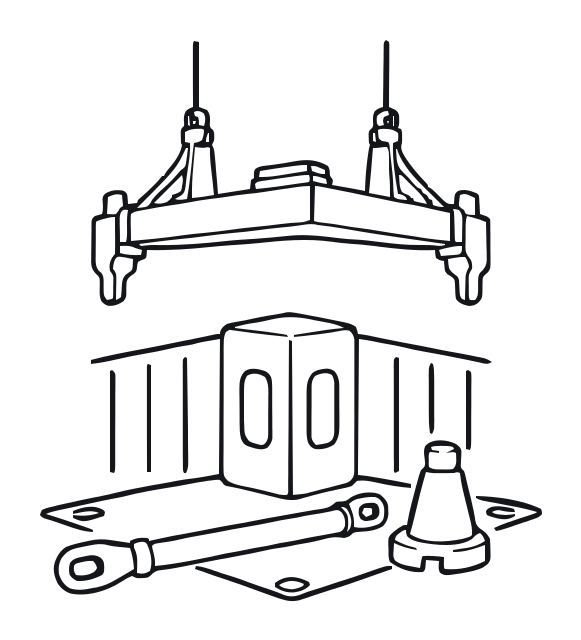
Container port worker
Ports and terminalsMoves containers between ship, yard and truck — the one occupation on this site where a whole task was removed by building a new site around the machine rather than by putting the machine into the old one.
not a job-loss risk

Travel agent / travel advisor
Travel & hospitalityFinds and compares travel options, builds itineraries, books and tickets, handles changes and disruptions, and sells complex or group trips. The US statistics bureau now names AI tools among the online resources that let travellers book their own trips and may limit demand for agents. Large travel companies describe AI in servicing, and one agency group says AI agents construct itineraries alongside its consultants while it removes human touch from transactional work. But in a planning benchmark GPT-4 produced a valid multi-constraint plan only 0.6% of the time, and in Europe the organiser of a package remains responsible for its performance and for helping travellers in difficulty.
not a job-loss risk

Real estate agent
Real estateGets a transaction over the line between two people who do not trust each other — and is paid a share of a price they both have reason to dispute.
not a job-loss risk
Receptionist / front desk
Administration and hospitalityThe first person at the door: signs people in, answers the phone, knows where everyone is, and handles whatever walks in that nobody planned for.
not a job-loss risk
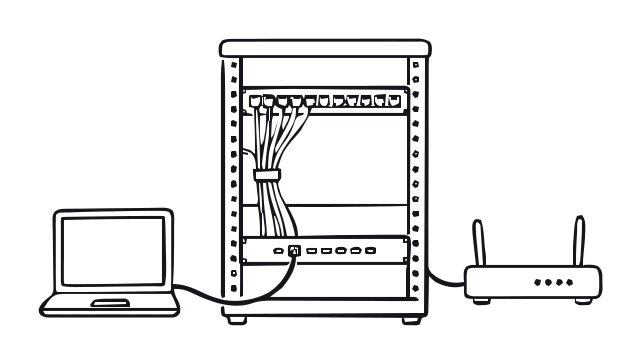
Network engineer
Telecommunications & IT infrastructureDesigns, configures and keeps networks running — enterprise networks and the carrier networks behind mobile and broadband: plans capacity, makes configuration changes, troubleshoots outages and answers for them. Large carriers now let automation make routine configuration changes by the tens of millions and use AI agents to diagnose faults and propose fixes; benchmarks show language models still fix only a minority of complex misconfigurations correctly, and US projections expect administrator jobs to shrink while network architect jobs grow.
not a job-loss risk

Illustrator
Media & creativeDraws and paints images for other people's products — book and editorial illustration, concept art and character design for film, animation and games, and game art assets. Studios now use generative AI for character and environment design, game companies sell art-style models that produce assets, and US projections say AI-generated illustrations may compete with illustrators; but some commissioners forbid generated art in final products, the animation union's contract limits how studios may use it, and US law protects only work a person authored.
not a job-loss risk
IT support specialist / helpdesk
Information technologyThe first person you reach when something at work has stopped working: resets it, explains it, or works out that what you said happened is not what happened.
not a job-loss risk
Warehouse worker
Logistics & fulfilmentReceives, stores, picks and packs the goods that make online ordering work — at a pace set by a system.
not a job-loss risk

Auditor
Professional servicesIs the outside party who says someone else's numbers can be relied on — and whose signature is the only thing that makes that worth anything.
not a job-loss risk
Supply chain planner
Operations & supply chainDecides how much of what should be where, and when: forecasts demand, sets inventory and replenishment, balances supply against sales in planning meetings, and re-plans when a storm, a port or a supplier breaks the plan. Machine-learning forecasts now run at the scale of millions of items and some retailers let algorithms make replenishment decisions outright; the companies describing these systems still say people make the final calls on trade-offs, and US projections expect logisticians' employment to grow much faster than average.
not a job-loss risk
Management consultant
Professional servicesIs brought in to answer a question the client could in principle answer themselves, and delivers a recommendation whose correctness will not be knowable for a year.
not a job-loss risk

Photographer
Media & creativeMakes photographs that people pay for — product and campaign images, portraits and events, news pictures and stock — and edits, retouches and licenses them. Retailers now generate most of their marketing imagery with AI, and US projections expect stock photography in particular to be partly replaced by AI-generated images; but news organisations forbid generative changes to photographs, photo contests exclude generated images, and portraits and events still need someone in the room.
not a job-loss risk

Backend developer
Software & technologyOwns the part where being wrong is expensive and invisible — the data that must stay consistent, the money that must not move twice, and the service that has to be up at 3am.
not a job-loss risk
AI researcher
Software & technologyDelivers a conclusion, not a system — and the conclusion has to survive three questions no tool can answer: is this result real, does it generalise, and what should we do next.
not a job-loss risk
Product / UX designer
Software & digital productsDecides how a piece of software behaves for the person using it — screen by screen, state by state — and proves the decision with evidence.
not a job-loss risk

Actuary
Insurance and pensionsPuts a price on risk and a number on what an insurer owes — and is the occupation regulators name directly when they say who is responsible for the controls on an insurer's AI.
not a job-loss risk

Business systems owner
Operations & fulfilmentThe person who owns the system the business runs inside — the CRM or order system: how the process is shaped in it, whether its records still mean anything, and what the numbers coming out of it are allowed to claim.
not a job-loss risk
E-commerce operations specialist
E-commerceRuns a shop that exists inside somebody else's platform: writes the listings, buys the traffic, watches the numbers hourly, and adapts every time the platform changes its rules.
not a job-loss risk
Animator and VFX artist
Media & creativeMakes things move on screen — character animation, the drawings between key poses, rigs for 3D models, and visual effects such as rotoscoping, compositing, de-ageing and set extension. Most visual effects studios surveyed in France now use AI, mostly for rotoscoping, compositing and set extension; streamers use generative AI for de-ageing and previsualisation; research tools draw in-betweens, segment video and rig models. But the largest Japanese anime studio plans to grow by hiring hundreds of people, French employment data find no clear AI effect on storyboarders, and US projections expect employment to hold roughly steady.
not a job-loss risk

Writer and author
Media & creativeWrites books, fiction and scripts — novels and non-fiction, stories, and film and television screenplays. US projections say increasing use of AI for writing is expected to dampen demand, a science-fiction magazine had to close submissions when machine-written stories flooded in, and a study found readers preferred AI imitations of authors' styles once the model was fine-tuned on those authors' books. But studies still find professional writers' fiction far stronger than prompted models, the US screenwriters' contract says AI is not a writer and cannot be required, and a court ruled that building a library from pirated books was not fair use, leading to a $1.5 billion settlement with authors.
not a job-loss risk
Payroll specialist / payroll clerk
Finance & HRCalculates and runs pay: collects hours and changes, applies deductions, tax and social contributions, files the returns employers owe the state, answers employees' pay questions and fixes errors. This is one of the few jobs where the official US projection names technology as the reason for decline: it expects payroll and timekeeping clerks to fall 16 percent from 2025 to 2035, saying productivity-enhancing technology will limit demand. Governments have pushed the same way by making payroll reporting digital and continuous — France's single payroll declaration replaced nearly 80 procedures, Australia requires employers to report every pay run, and Singapore pre-fills tax returns from employers' electronic submissions — and payroll vendors now offer AI agents for employees and payroll staff. What remains is getting the rules, the exceptions and the corrections right.
not a job-loss risk

Radiologist
HealthcareReads images to answer a clinical question — and signs for the answer, including for what nobody thought to ask about.
not a job-loss risk
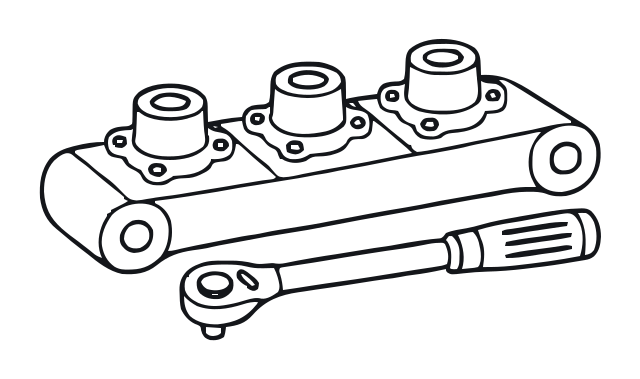
Assembly line worker
ManufacturingPerforms a defined step in making a physical product, hundreds of times a shift, to a standard someone else will check.
not a job-loss risk

Data engineer
Software & technologyMoves data from where it happens to where it is asked about, and is the person who finds out first when the two stop matching.
not a job-loss risk

Project manager
Cross-industryTurns a goal into a plan, keeps the plan honest as things change, and gets a group of people who do not report to them to deliver it — schedules, budgets, risks, status reports and a great deal of negotiation. The writing around the work is what is changing first: in PMI's 2024 survey of project professionals who already use generative AI, 53% used it to summarise and review content such as reports, plans and meeting discussions. Agreeing trade-offs, deciding what to cut and leading a team through a problem remain the project manager's work.
not a job-loss risk
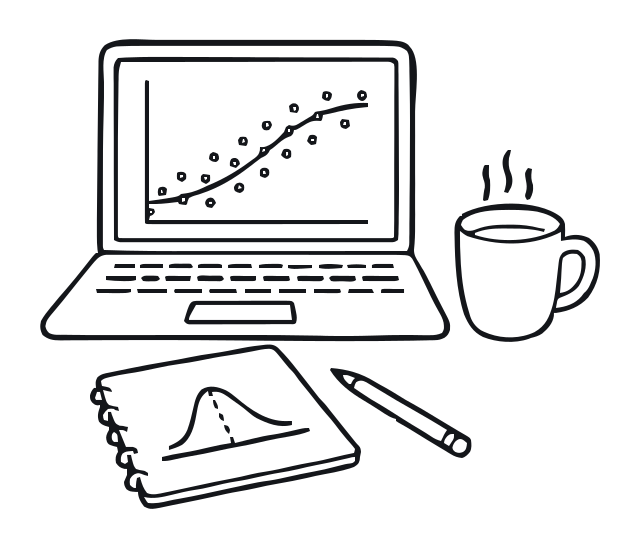
Data scientist
Technology, finance & researchTurns a business or research question into something data can answer: frames it, cleans and explores the data, builds and validates statistical or predictive models, designs and reads experiments, and explains to decision-makers what the result does and does not show. AI agents can now write much of the analysis code, but on public benchmarks the best still solve about a third of realistic data-analysis tasks, and in causal questions they struggle most. Banking supervisors still expect models to be challenged by independent people, and US projections expect data science jobs to grow.
not a job-loss risk
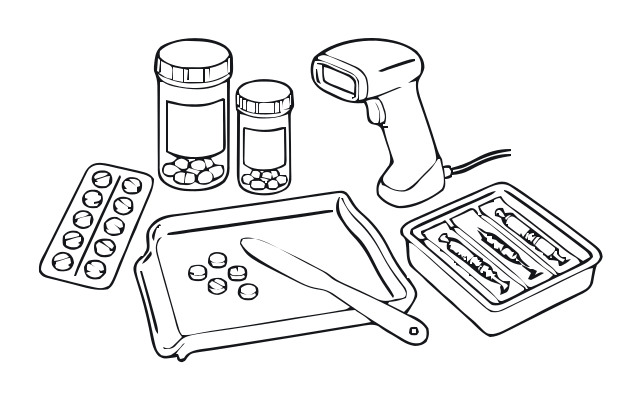
Pharmacy technician
HealthcareWorks under a pharmacist to get the right medicine to the patient: takes in and enters prescriptions, counts, fills and packages them, prepares sterile and chemotherapy doses, keeps stock, stocks automated cabinets in hospitals and serves people at the counter. Counting and filling is moving into robots and central fill centres, and compounding robots cut errors while taking longer per dose; at the same time the law is handing technicians work that used to be the pharmacist's, and US projections expect the occupation to grow.
not a job-loss risk

Court reporter
Legal servicesMakes the verbatim record of court hearings and depositions, produces and certifies transcripts, and provides live captions. Many courts replaced stenography with audio recording decades ago, the UK is testing whether its own AI can transcribe court hearings to the required accuracy, and US projections say AI transcription is expected to dampen demand for captioners. But generic speech recognition still makes many errors on courtroom audio, US federal law and Queensland's law attach the record's certificate or evidential weight to a person, and California allows electronic recording only in limited civil, misdemeanor and infraction cases after two bills to widen it died.
not a job-loss risk
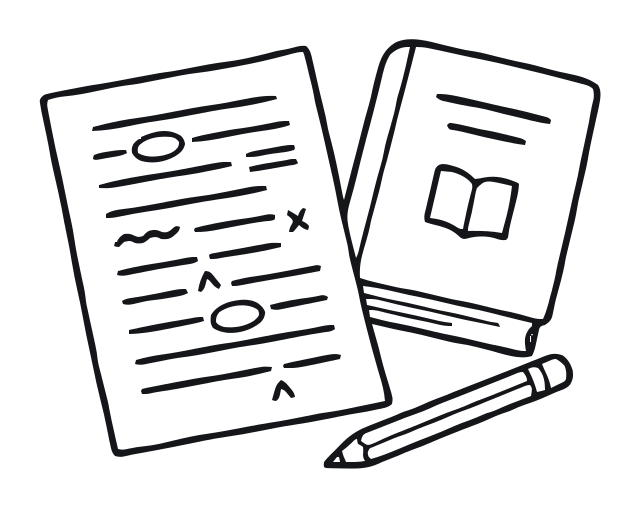
Editor and proofreader
Media & publishingEdits and corrects other people's writing — proofreading, copyediting for accuracy and style, structural editing, and deciding what gets published. A major academic publisher says its own teams use AI for proof preparation and copy editing, and studies find language models catch many errors. But they over-correct, miss errors that span sentences, and make changes of which a large share are not improvements; editors still prefer edits by other experts; and publishers and newsrooms keep final editorial decisions with named editors. US projections expect editor employment to fall 1 percent to 2035, blaming print's decline rather than AI.
not a job-loss risk
Medical laboratory technician
Health careRuns the tests a diagnosis rests on: prepares the specimen, operates and trusts the analyser, and is the person who decides a result is wrong before it reaches a doctor.
not a job-loss risk
Lawyer
Legal servicesTakes professional responsibility for advice and for what gets filed — and carries the consequences when either is wrong.
not a job-loss risk
Medical assistant / clinic assistant
Health careThe person between the front desk and the doctor: takes the vitals, preps the room, chases the insurance authorisation, and answers the phone call that decides whether someone comes in today or next month.
not a job-loss risk
Quantity surveyor
Construction & propertyMeasures what a building will take, prices it, writes the documents contractors bid against, and keeps the money straight until the final account — valuing work done, pricing changes and negotiating claims. Measuring quantities from digital models instead of paper drawings is the part most changed by software; RICS's 2024 survey found that about half of construction professionals exchange data through digital models for quantity take-off and cost estimating, and that the share had barely moved since 2021. Valuing variations, negotiating claims and advising on whole-life cost and carbon remain surveyors' work.
not a job-loss risk

Content creator
Media & online platformsEarns from their own channels: finds ideas the audience will watch, writes and films, presents on camera or on the mic, edits, answers the community, and runs the business side — sponsors, disclosures and each platform's rules. Generative AI is already widely used for ideas, scripts and editing, and YouTube dubs videos automatically into dozens of languages. What platforms and regulators have written down runs the other way for the face and voice: realistic synthetic people must be disclosed, mass-produced AI content earns nothing, and sponsor ties must be declared by the creator.
not a job-loss risk
Quantitative analyst
FinanceBuilds the mathematical models behind trading, pricing and risk: researches signals, develops and backtests strategies, writes the quantitative code, validates models and explains them to traders, risk managers and regulators. Machine learning has long run inside many trading algorithms, and AI agents now write research code and propose signals that some firms put through the same tests as human research; but benchmarks show models failing on basic risk metrics, and rules in the US, EU and UK require named, qualified people to design, approve and independently validate the models.
not a job-loss risk
Ride-hail / taxi driver
Passenger transportDrives strangers across a city safely, on demand — and handles everything about them that is not driving.
not a job-loss risk

Machine learning engineer
Software & technologyShips systems whose behaviour is learned rather than written — which means nobody can say line by line why they do what they do, and someone still has to decide whether they are good enough to use on people.
not a job-loss risk
Property appraiser / valuer
Real estateInspects properties, analyses comparable sales and writes valuations that lenders, courts and tax authorities rely on. Many homes are now valued without an appraiser: for eligible loans US mortgage agencies accept the lender's estimated value without an appraisal, checking it against their own data, and in 2024 widened that to purchase loans with up to 90 percent loan-to-value, or 97 percent where a trained data collector visits the home instead of an appraiser. Britain's valuation office uses a model to give first-pass values for 1.5 million Welsh homes, with valuers checking the difficult cases. Rules keep the judgement with people: US regulators set quality standards for lenders' models, and the profession's own standard says a model's output without a valuer's judgement is not a compliant valuation. The US projects appraiser jobs to grow 3 percent to 2035, naming automated valuation models as a source of productivity.
not a job-loss risk

Experienced software engineer
Software & technologyChanges systems they did not write, decides what may go out, and is answerable for how it fails — the part of software work that is mostly judgement about a specific codebase rather than typing.
not a job-loss risk
DevOps engineer / platform engineer / SRE
Information technologyKeeps the thing running and makes it possible for others to ship: builds the pipelines and the infrastructure, and is who gets woken up when production breaks.
not a job-loss risk
Business analyst
Business & technologyWorks out what a business actually needs from a change or a system and writes it down so it can be built and checked: interviews stakeholders, maps processes, writes requirements and user stories, runs workshops, and checks at acceptance that what was delivered does what was asked. Language models now draft requirement documents and user stories, and US federal agencies use AI to generate them; studies find the drafts quick but in need of validation, and the interviews that surface unspoken needs still need people.
not a job-loss risk

Musician and composer
Media & creativePerforms, records and writes music — live shows, session work, songs, and music for film, television, games, advertising and production libraries. AI-generated tracks now make up more than half of new uploads to one streaming service, listeners in a controlled study could not tell AI songs from human ones in random pairs, and a study commissioned by creators' societies projects AI music at around 60% of library-music revenue by 2028. But AI tracks draw only a small share of listening, the US film musicians' contract says musicians include only humans, labels have settled with AI firms on licensed terms, and US projections expect employment to hold steady.
not a job-loss risk
GIS analyst / cartographer
Engineering & geospatialTurns imagery and survey data into maps and spatial databases: digitising buildings, roads and land cover, running spatial analysis, maintaining the data, and checking it against the ground. Machine learning is taking over bulk feature extraction at national scale — France's mapping agency says AI cut the time to produce its land-cover map to a third and halved the cost — and AI agents can now carry out basic GIS operations. But in a controlled test, experienced mappers working by hand were faster and more accurate than an AI-assisted editor, benchmarks find spatial reasoning the hardest part, and even the providers of machine-made building data tell users to check it locally. The US projects cartographer employment to grow 7 percent to 2035, without mentioning AI.
not a job-loss risk
Truck driver
Freight & logisticsMoves freight between places — and handles everything that goes wrong between the loading dock and the delivery.
not a job-loss risk

Product manager
Software & technologyDecides what gets built and what does not, gets three teams to act on that decision, and carries it when it turns out wrong.
not a job-loss risk
Dietitian / nutritionist
Health & social careAssesses what people eat and what they need, prescribes diets for illness, writes meal plans, counsels people, and plans menus for hospitals, schools and care homes. Language models now pass dietetics exam question banks in the US and Japan, and in one blinded study dietitians rated AI answers to forum questions above other dietitians' answers. But AI-written meal plans deviated from dietitians' plans on nutrients, food-photo apps identify foods better than they estimate energy, and in Japan an AI that drafts institutional menus is on sale while the law still requires a registered dietitian in designated facilities. The US projects dietitian employment to grow 8 percent to 2035, without mentioning AI.
not a job-loss risk
Economist
Research and public policyForecasts the economy, builds and runs models on economic data, advises governments, central banks and companies on policy, and writes research. Central banks already use machine learning in forecasting and modelling, but say it is not always better than traditional methods and that it complements rather than replaces expert judgement; about a quarter of their AI use cases have reached full production. Language models make telling errors with economic data, mixing first releases with revisions, and in a randomised study teams that handed reproduction work to AI succeeded far less often than human teams. The US Federal Reserve says AI is not used to set policy. The US projects 5% growth for economists.
not a job-loss risk

Pharmacist
HealthcareIs the last check between a prescription and a patient — and the person who explains what the medicine will actually do.
not a job-loss risk
Pathologist
Health & social careExamines tissue under the microscope — increasingly on a screen — to diagnose disease: detecting and grading cancer, searching lymph nodes, scoring biomarkers, reporting frozen sections during surgery, and signing out the report. AI for prostate biopsies is cleared by the US regulator, but only as an add-on that must not be used as the primary diagnosis, and in a prospective study across three NHS centres its second read changed the diagnosis or grade for 5.4% of patients while cutting extra stains. Studies show AI helping pathologists find small metastases faster and agree on biomarker scores. Frozen sections were excluded from the first digital-slide clearance, and the UK's professional body says AI will not remove the need for pathologists in diagnosis.
not a job-loss risk

Partnerships / channel manager
Sales & business developmentBrings in business through other companies rather than directly: finding partners worth signing, agreeing the terms, getting the two systems connected, and keeping the partner actually selling once the announcement is over.
not a job-loss risk
Security analyst (SOC)
Information securityWatches an alert queue for the one event that matters, decides whether it is an incident, and is the person who says out loud that the company is under attack.
not a job-loss risk

Financial adviser / financial planner
FinanceHelps people decide what to do with their money — insurance, savings, investments, retirement — by finding out their situation, recommending what fits and staying with them as life changes. For small, simple portfolios, banks now sell ready-made managed portfolios online without an adviser meeting; the relationship and the harder cases are where the adviser still sits.
not a job-loss risk
Interpreter
Language servicesRenders speech or sign between languages in real time — in courts, hospitals, conferences, public services and for deaf people. Machine simultaneous interpreting is being tested for conferences and interpreters use AI to prepare, but US federal law requires certified interpreters in federal courts, EU law requires interpretation good enough to keep criminal proceedings fair, US health rules require qualified interpreters, and studies in clinical settings find machine interpreting makes far more linguistic or clinical errors than qualified interpreters.
not a job-loss risk
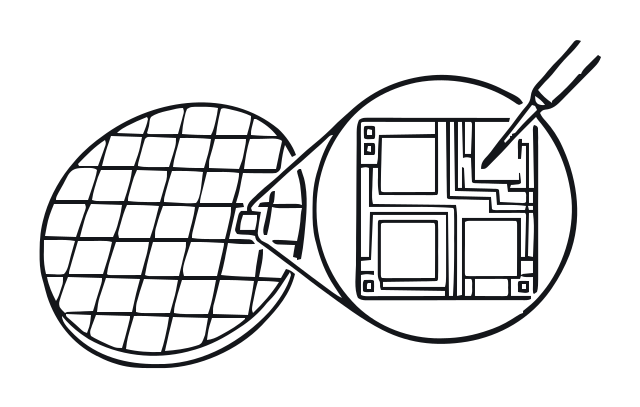
Chip design engineer
SemiconductorsDesigns integrated circuits: turns an architecture into hardware description code (RTL), verifies that the design does what the specification says, lays it out on silicon to meet power, performance and area, and designs the analog blocks that connect a chip to the physical world. AI now writes short pieces of hardware code, answers engineers' questions and writes tool scripts, and design-space optimisation tools have been used in more than 100 commercial tape-outs, according to the vendor. But on a benchmark written by experienced hardware engineers the best models passed no more than 34% of code-generation problems on the first try, verification is among the hardest tasks for AI agents, and an independent review found human experts beat Google's reinforcement-learning placement on most large designs it tested. The US projects computer hardware engineer employment to grow 9 percent to 2035, without mentioning AI.
not a job-loss risk

Grant writer / grants officer
Nonprofit & research administrationFinds funding, writes applications to funders, keeps them within each funder's rules and reports on what the money achieved. Generative AI is now common in the writing: a study of US federal research proposals found language-model use rising sharply from 2023. Funders have answered with rules: the US National Institutes of Health will not treat applications substantially developed by AI as the applicants' own ideas and capped each investigator at six applications a year after seeing some submit more than 40 in one round, and UK Research and Innovation forbids generating whole applications or sections without human involvement. Most of this evidence comes from research funding rather than charities. The US projects fundraiser jobs, where grant writers are counted, to grow 6 percent to 2035, without mentioning AI.
not a job-loss risk
Compliance officer
Regulated industriesWorks out what a rule requires this company to actually do, checks whether it is being done, and is the person who has to say no to the business.
not a job-loss risk
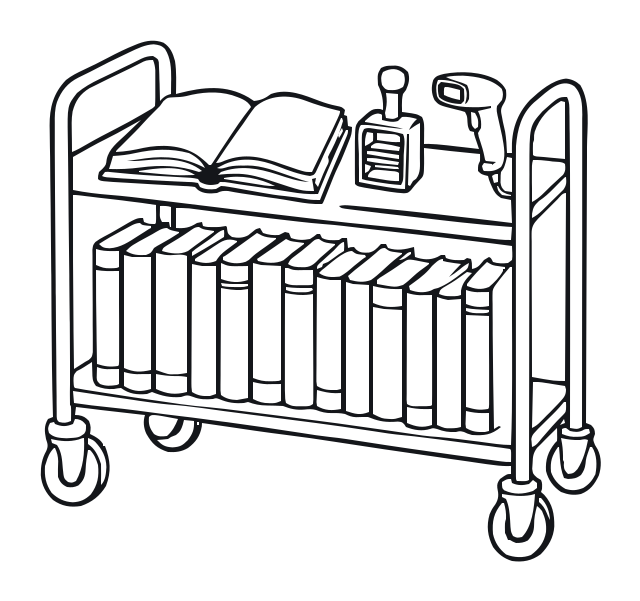
Librarian
Libraries & information servicesHelps people find, judge and use information, builds and describes a library's collection, runs its programmes, and increasingly teaches people how to use — and question — AI tools. Borrowing is the part most handed to machines: in 2023 Singapore's National Library Board opened a fully self-service library in a mall, where people borrow by walking out through a gantry. Answering harder questions, choosing the collection and running programmes remain librarians' work, changed by search and AI rather than replaced.
not a job-loss risk

Actor and model
Media & entertainmentPerforms on screen and stage, works as a background actor, or models for fashion and advertising. US projections say AI may replace some actors in certain subfields and that AI reusing images of products and models may limit demand for models; fashion brands have run campaigns generated entirely by AI and published images of models' digital twins; and people cannot reliably tell AI-generated faces from real ones. But the actors' union contract requires clear consent for digital replicas and states a principle strongly favoring human performances, and California and New York void vague replica clauses and require ads to disclose synthetic performers.
not a job-loss risk
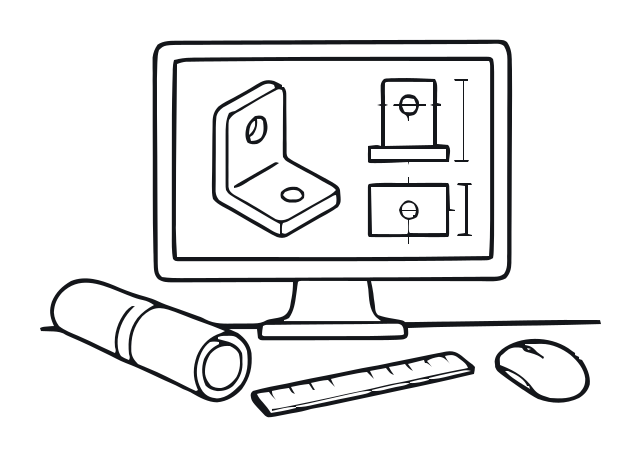
Drafter / CAD technician
Architecture & constructionTurns designs and sketches into drawings and models for building, manufacturing and permits, and keeps them up to date as designs change. The pressure on the job is older than AI: the US statistics bureau says CAD and building information modelling let engineers and architects do many tasks drafters used to do, and projects mechanical drafter jobs to fall 6 percent and electrical drafter jobs 3 percent to 2035, while architectural and civil drafters grow 5 percent. Permit systems are moving from drawings to models: Singapore asks consultants for one coordinated building model, Japanese contractors now submit drawings exported from models, and Japan plans to review model data itself with AI-assisted checks from 2029. Models still read mechanical drawings unreliably, and drafters still add and mark what the model does not produce.
not a job-loss risk
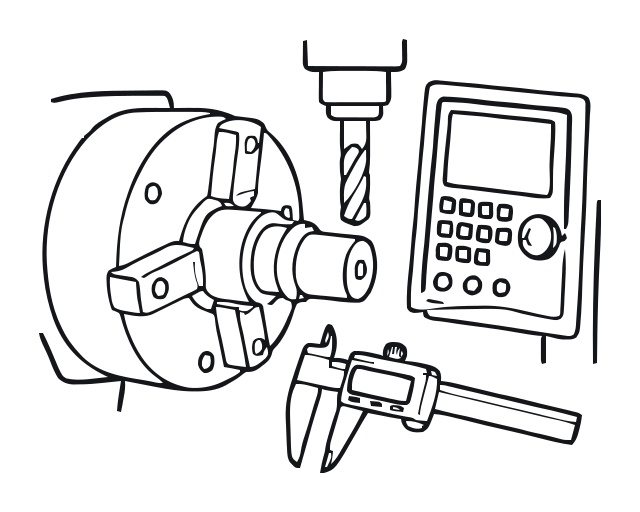
Machinist / CNC machinist
ManufacturingPrograms, sets up and runs lathes, milling machines and other machine tools, most of them computer numerically controlled (CNC), and checks that the parts come out to size. The US labour statistics agency expects the work to shift rather than vanish: CNC tool operators are projected to fall 9% to 2035 while CNC programmers grow 6%, because CNC equipment needs programmers instead of people setting up and tending machines. In studies, language models have written working machine code for simple parts but still need an expert to check it, and measurement is moving onto the machine itself. No record yet measures how much unattended machining has spread.
not a job-loss risk
Architect
Architecture & constructionTurns a client's need and a site's constraints into a building that can be approved, built and lived in — and signs for it.
not a job-loss risk

First-line manager / team supervisor
Management & operationsThe first person above the work: deciding who does what today, noticing trouble before it reaches a report, and answering for a team's output without doing the work yourself.
not a job-loss risk

Counsellor / psychotherapist
Health & social careSits with someone while they work out what is actually wrong — and is the one who has to notice when it is more serious than they are saying.
not a job-loss risk

Retail salesperson / shop assistant
RetailThe person on the shop floor who finds out what someone actually wants, knows what is in the back, and turns a browse into a purchase — which is a different job from taking the money.
not a job-loss risk
Civil / structural engineer
Construction and built environmentDesigns the structure that holds a building or a bridge up and signs for it — and is the occupation where the law makes a named person's certificate the check itself.
not a job-loss risk
Delivery rider / courier
Last-mile deliveryGets a specific parcel or meal from a shop to a door in a city, quickly, through weather, traffic and buildings the map does not understand.
not a job-loss risk
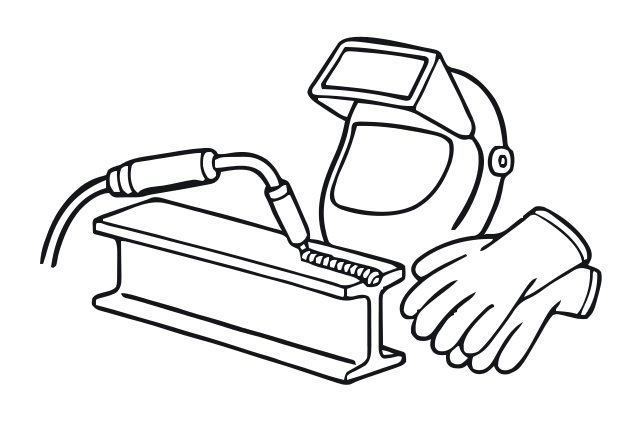
Welder
Manufacturing, shipbuilding & constructionJoins metal: reads the drawing, prepares and fits the parts, chooses the process and lays the weld — flat, vertical or overhead — then checks it. Robots have done repeated welds on production lines for decades, and shipyards now build them for large structural blocks too: Singapore's Sembcorp Marine reported robots welding large built-up blocks in several directions, and a technician operating a robotic welding system remotely. Out-of-position, site and repair welding, fitting parts that never quite match, and the judgement about each joint remain welders' work.
not a job-loss risk
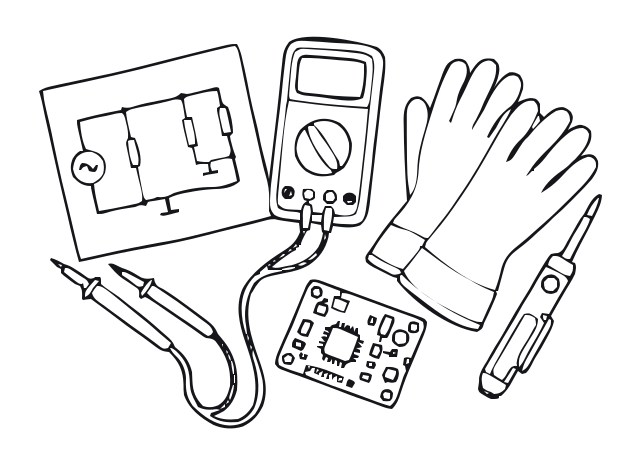
Electrical engineer
Energy, electronics & building servicesDesigns, analyses and answers for electrical systems — from chips and circuit boards to building installations and the grid: sets the requirements, designs circuits or power systems, runs load-flow and interconnection studies, tests and commissions equipment, and signs off designs that must meet safety codes. AI now helps write hardware code and lay out chips, and the largest US grid operator is using an AI tool to review interconnection applications. Live electrical work, sign-off on installations and the judgement behind a design remain engineers' work, and US projections expect the occupation to grow.
not a job-loss risk
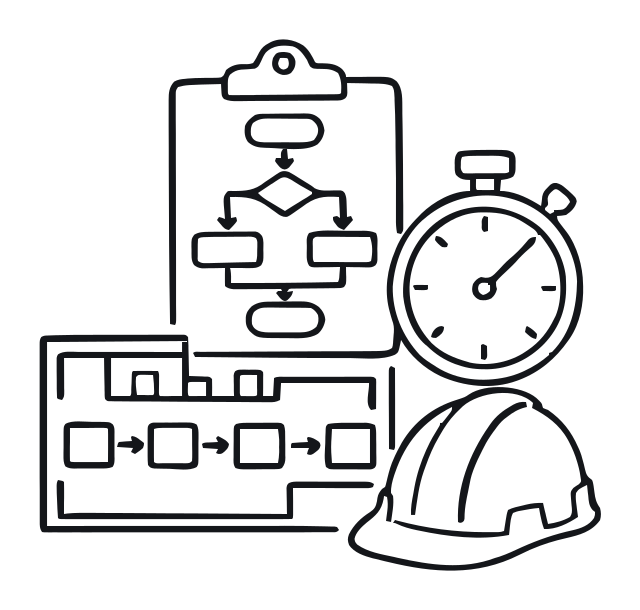
Industrial engineer
Manufacturing & operationsDesigns how work gets done in factories and operations: maps and improves processes, sets work standards, lays out lines and facilities, balances lines and schedules production, and analyses the hazards of processes. Digital twins now let carmakers test layouts and collisions in days instead of weeks, and AI dispatching and line-balancing tools are being tested on real fabs and assembly lines; the gains on real data are modest, process-safety law requires a team of experienced people, and US projections expect the occupation to grow as companies automate.
not a job-loss risk
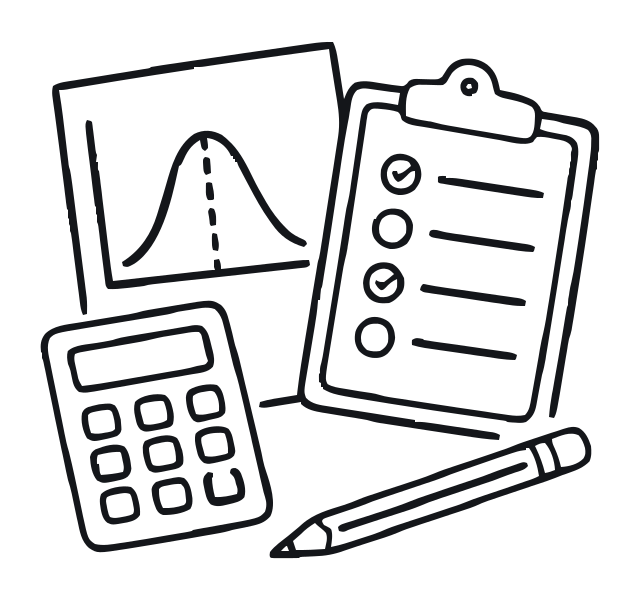
Statistician
Public administrationDesigns surveys, samples and trials, analyses data with statistical methods, and checks that published figures are sound. AI has arrived first in the processing around the statistics: the US Census Bureau's language-model autocoder raised the share of occupation and industry answers coded automatically from 28 to 52 percent, and Statistics Canada put machine-learning coding into its Labour Force Survey in 2021. In both, statisticians set the error thresholds and checked the published estimates for breaks. Britain's statistics regulator says AI in official statistics is still mainly research, testing and administrative support rather than routine production, and Europe's medicines agency treats AI used to analyse trial data as part of the statistical analysis, to be frozen in the analysis plan. The US projects statistician jobs to grow 11 percent to 2035, without mentioning AI.
not a job-loss risk
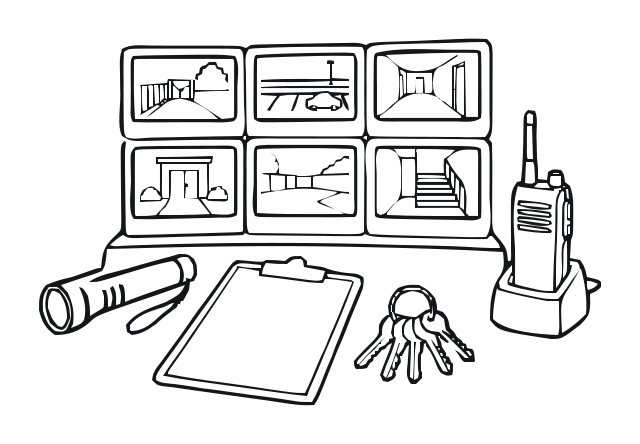
Security guard
Security and facilitiesIs present so that things do not happen: watches, patrols, controls who comes in, and is the person who walks toward the situation when there is one.
not a job-loss risk
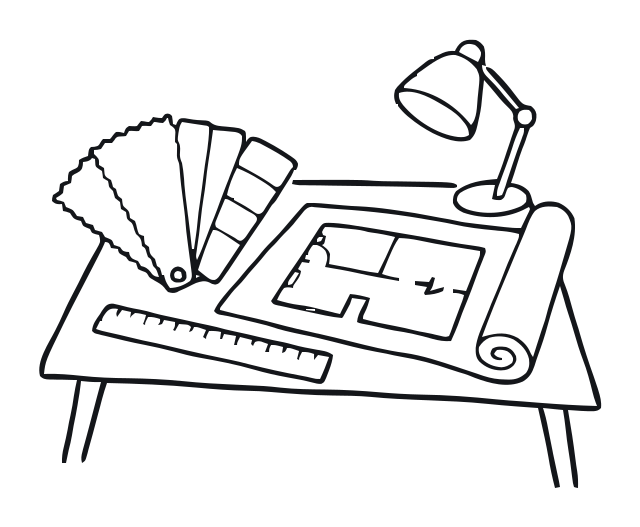
Interior designer
Architecture, design & constructionDesigns how an interior works and looks: takes the brief, develops and presents concepts, plans the space and produces the drawings, specifies materials and furniture, coordinates contractors on site, and — in some places — signs drawings that must meet building, fire and safety codes. AI tools are now used mainly for visualising ideas early; surveys of designers find much lower use for budgeting and sourcing. In some US jurisdictions the practice itself is licensed, and sealed drawings for permits must carry a licensed designer's seal.
not a job-loss risk
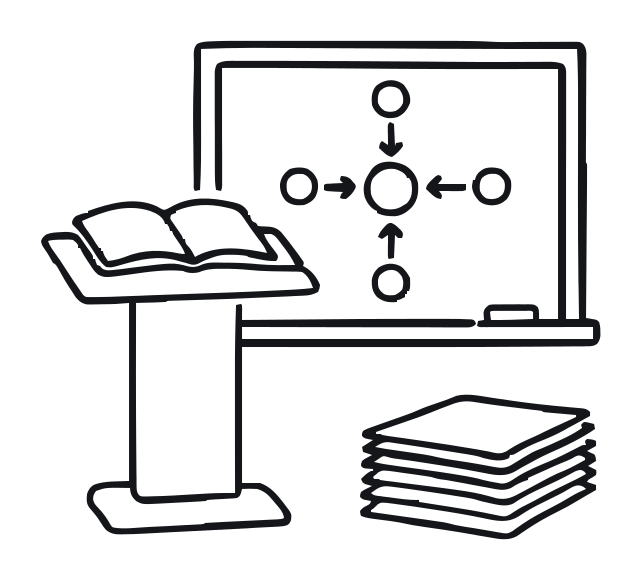
University lecturer
Higher educationTeaches and researches at a university: lectures and runs seminars, designs courses and assessments, marks and gives feedback, upholds academic integrity, does research, writes papers and grant proposals, and reviews others' work. AI tutors and grading tools now match or beat some classroom methods in trials, and AI-written exam answers go undetected; but journals and publishers keep authorship and review judgement with people, and US projections expect postsecondary teaching jobs to grow.
not a job-loss risk
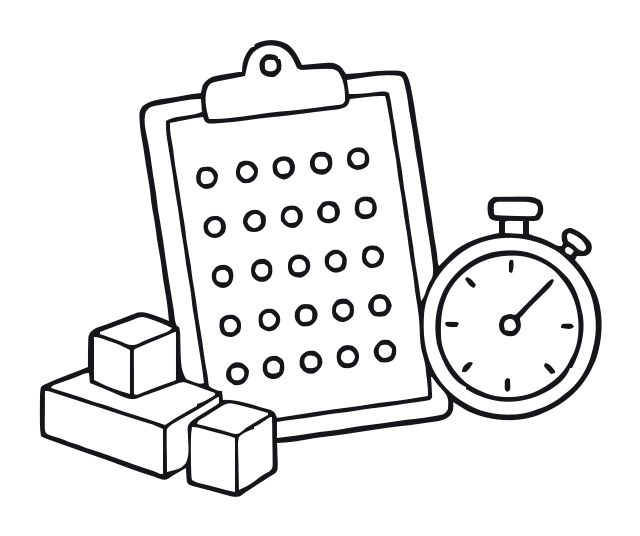
Psychologist
Health & social careAssesses, diagnoses and treats people's mental, emotional and behavioural difficulties — giving standardised tests, writing assessment reports, diagnosing, and providing psychotherapy. More than half of US psychologists in a 2025 survey had used AI at least once in the past year, mostly for emails, notes and summaries; only 8% of those who used it did so to assist with diagnosis. A test publisher now drafts evaluation reports inside its scoring platforms, and licensed psychologists rated AI-written reports only slightly below their own. Therapy is where the lines are firmest: a trial of a therapy chatbot reported symptom reductions, but its investigators say no AI is ready to operate autonomously, one US state bars AI from therapeutic decisions, and a study found language models expressing stigma and encouraging delusions.
not a job-loss risk
Insurance agent
InsuranceFinds clients, works out what life and health cover they need, recommends and sells policies, fills in the applications and helps when a claim comes. In Singapore people have been able to buy simple life policies without an agent for a decade, yet nearly all new business is still sold through representatives; what software is taking is the paperwork around the sale.
not a job-loss risk
Bus driver
Public transportDrives a fixed route on a timetable and looks after everyone on board — and is the occupation whose transport authorities have written down, in advance, which new jobs the driverless bus creates.
not a job-loss risk
Mechanical engineer
Manufacturing, machinery & building servicesDesigns machines, products and mechanical systems and answers for whether they work safely — from requirements and CAD models to simulation, prototypes, failure investigation and the integration of equipment into production. Generative design and AI assistants now draft parts and scripts, and benchmarks show models setting up simulations; but the models struggle to read engineering drawings and rules reliably, the European Union will require third-party checks on machine-learning safety components from 2027, and US projections expect the occupation to grow as factories automate.
not a job-loss risk
Fashion designer
Fashion & apparelResearches trends, develops concepts, sketches and develops garments, works out patterns and fit with technical teams, and decides what goes into a range. Generative image tools now produce concept visuals in seconds, but studies of designers using them found a gap between what the tools produce and what designers need, and students tending to accept outputs blindly. Large apparel companies say they use AI and digital product creation — H&M to align production with demand — but none of the filings found says AI does the designing. AI-made designs carry intellectual-property risk, and US copyright does not protect purely AI-generated material. The US projects little or no change in fashion designer employment to 2035, without mentioning AI.
not a job-loss risk
Optometrist
HealthcareExamines eyes: measures how well people see and prescribes glasses and contact lenses, looks for signs of eye disease, monitors conditions such as glaucoma, and refers patients on. The part most exposed is spotting disease in photographs of the retina. The US regulator has allowed an AI system to detect diabetic eye disease without a doctor's help, Medicare now pays a national rate for automated retinal analysis, and Singapore has piloted AI grading on tens of thousands of cases. But the UK screening committee still does not recommend AI grading, a US state bans prescriptions generated by a kiosk, a self-test refraction device fell short on astigmatism, and the US projects optometrist jobs to grow 10 percent to 2035 without mentioning AI.
not a job-loss risk

Notary
Legal servicesVerifies who people are and whether they understand what they sign, witnesses signatures, and in civil-law countries drafts and keeps deeds such as property sales, wills and company documents. The paperwork is going digital by law: Spain keeps every deed in an electronic register and Japan makes notarial deeds electronic by default, and Spain's notaries use AI to extract data from common deeds with human checks. Signing remotely is allowed but narrow: in two years Spanish notaries authorised more than 12,700 acts by video against more than 14 million deeds in the electronic register, and Japan allows web meetings only when the notary judges them appropriate. Checking identity and capacity, and drafting, stay with the notary; France's notaries have only begun an AI pilot.
not a job-loss risk
School teacher
EducationGets thirty specific children to learn something on a specific day — and holds the room together while doing it.
not a job-loss risk
Airline pilot
Commercial air transportOperates a transport aircraft under a licence issued in their own name — and under a rule that says they may not do it at all unless they have personally landed one, by hand, three times in the last ninety days.
not a job-loss risk
General practitioner / primary care doctor
Health careThe doctor a person sees first: works out what is wrong when the problem has not been sorted into a specialty yet, decides what to do about it, and carries the consequence of being wrong.
not a job-loss risk
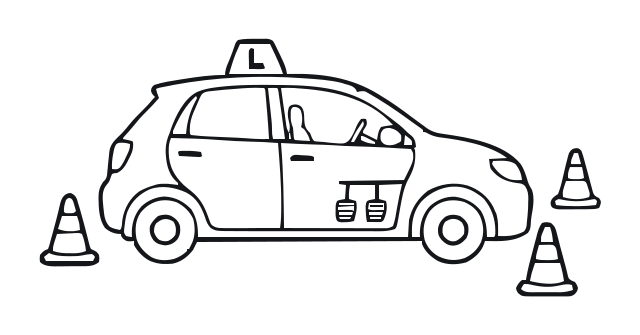
Driving instructor
Education & trainingTeaches people to drive: basic control on a training ground, driving in real traffic from the passenger seat with dual controls, theory and hazard awareness, and getting a pupil ready for the test. On closed training grounds this is where automation is furthest along — two Chinese regional transport authorities are piloting in-car AI teaching devices that take over part or all of the instructor's in-car guidance. On public roads the rules keep the person in the car: China caps simulator teaching at 6 hours, research finds simulator gains do not always carry over to real roads without real practice, and the UK test bans self-parking and Tesla Autopilot. New car technology also adds teaching: the EU now requires theory tests to cover driver assistance and automated driving systems.
not a job-loss risk
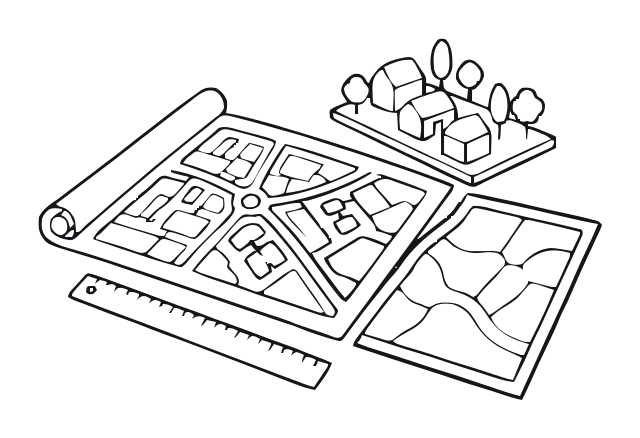
Urban planner
Public administrationPrepares local plans and policy, assesses planning applications, runs public consultation and advises the people who decide. AI has entered the paperwork around those decisions: England has given every council a tool that turns old planning documents into map data, and is piloting one that triages householder applications and drafts an initial assessment, with every assessment approved by a qualified planning officer. In the first trial of an AI summary of consultation responses the work fell from about 18.5 hours to about 16 minutes, and the ministry's lessons from the councils call the output a very good first draft, not a finished product. Writing plans, negotiating and recommending stay with planners, and the US projects planner jobs to grow 4 percent to 2035 without mentioning AI.
not a job-loss risk
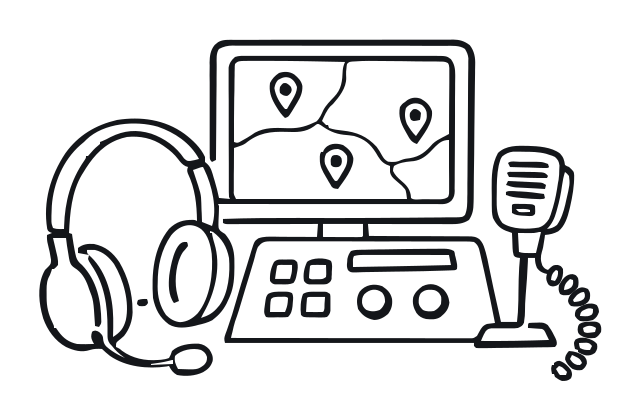
Emergency dispatcher
Public safetyAnswers emergency and non-emergency calls, works out where the caller is and what is happening, sends police, fire or ambulance crews, and talks callers through what to do until help arrives. AI has arrived on the non-emergency lines first: a US county's system resolved 2,920 of 9,635 non-emergency calls in one month without a call-taker, and England's police 101 line now uses AI to send non-police calls elsewhere, while the government says the 999 system has not changed. Carriers must now route wireless 911 calls by location, and some centres show callers' words translated on screen. In a trial, an AI spotted more cardiac arrests than dispatchers, but alerting them did not help them recognise more. The US projects 4% growth.
not a job-loss risk
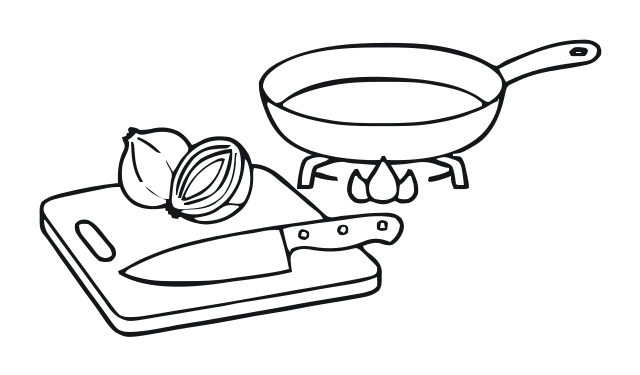
Chef / cook
Food service & hospitalityProduces consistent food at speed in a hot, cramped room — and adapts when the delivery is wrong and two cooks are off sick.
not a job-loss risk

Waiter / restaurant server
Food service and hospitalityRuns the room: takes the order, times the courses, notices the table that has gone quiet, and absorbs it when the kitchen is late.
not a job-loss risk
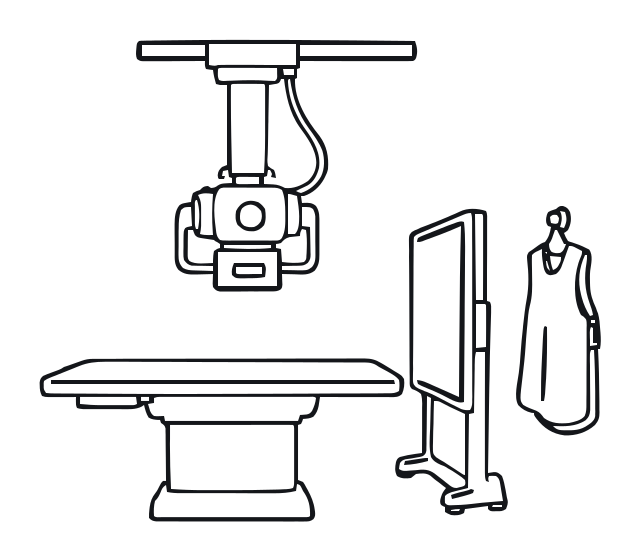
Radiographer / radiologic technologist
HealthcareTakes the X-ray, CT and MRI images that doctors read — checking the request, positioning the patient, setting the dose and running the machine. The part of the job software reaches first is the machine side; Singapore's law defines the work, radiation dose included, as a registered profession.
not a job-loss risk
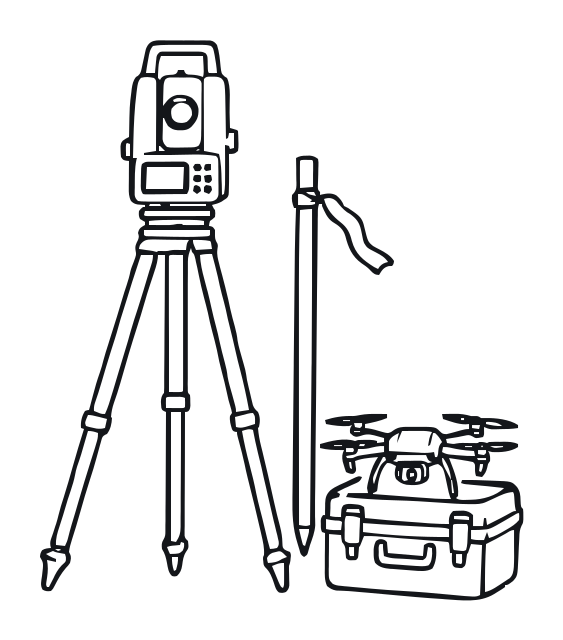
Land surveyor
ConstructionMeasures land and buildings, works out where legal boundaries lie, sets out construction on site and certifies survey plans. Measurement is changing fastest: Britain's mapping agency flies drones that cover in 20 minutes sites a field surveyor would take a day to survey, and Japan now allows aerial and remote-sensing methods for official cadastral surveys of farmland. On Japan's national earthworks, machine guidance from 3D designs has largely replaced setting out with survey stakes. Deciding where a boundary lies stays with people: New Zealand's rules require the surveyor to gather and interpret the evidence and to certify the survey personally, and Japan's boundaries still rest on owners' confirmation. The US projects surveyor jobs to grow 6 percent to 2035, saying surveyors will still be needed to review and interpret what drones produce.
not a job-loss risk
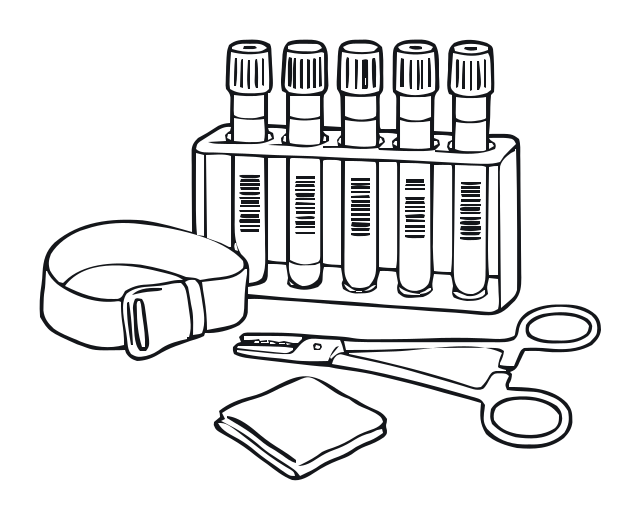
Phlebotomist
HealthcareDraws blood from veins and fingertips for tests and donations: checking the patient's identity and the order, drawing the sample, labelling and handling the tubes, and keeping anxious or fainting patients safe. In August 2026 the US FDA authorised the first autonomous blood-drawing robot, for adult outpatients and monitored by a trained phlebotomist who may supervise up to three devices; in its trial it succeeded on the first stick 94.5% of the time when it could find a vein, but no commercial use has yet been recorded. Fingerstick devices now let pharmacy staff collect some samples, and bedside label printing is spreading slowly. The US projects 7% growth.
not a job-loss risk
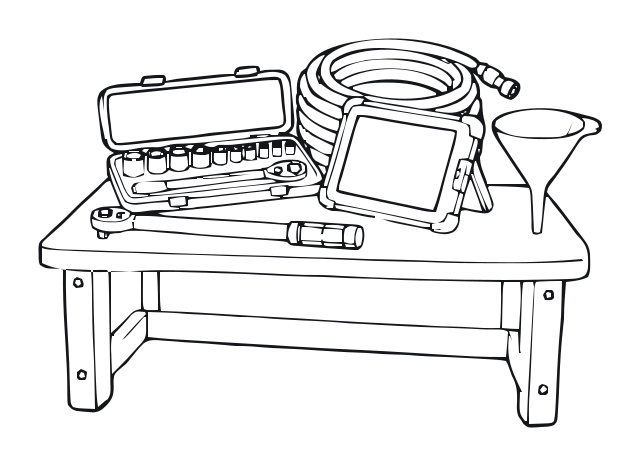
Auto mechanic / vehicle technician
Vehicle repair and maintenanceFinds out why a vehicle is doing something it should not, and fixes it — increasingly on machines that are more computer than engine.
not a job-loss risk
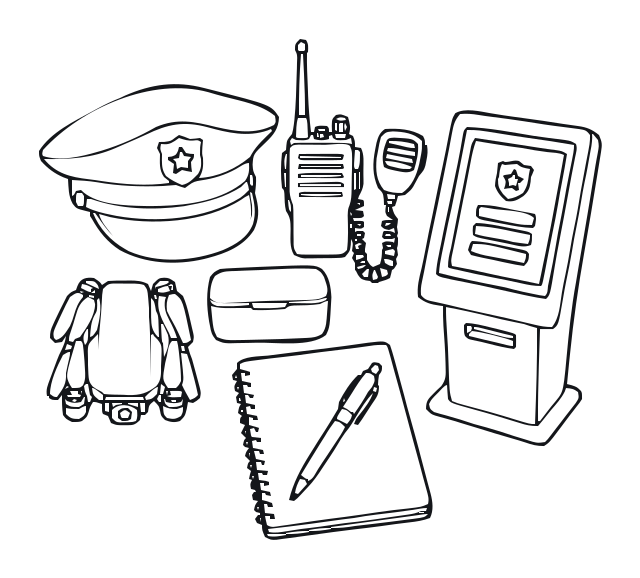
Police officer
Public safety and emergency servicesKeeps the peace, answers calls and investigates crime — and is the occupation where a government has said plainly that it cannot hire its way out of a shortage, and has started putting drones and software into the patrol and the report desk.
not a job-loss risk

Dental hygienist
Health & social careCleans and scales teeth, checks gums and charts periodontal pockets, takes and screens X-rays, teaches patients to look after their mouths, and keeps the records. The US regulator has cleared AI that marks tartar and decay on X-rays and measures bone levels — one clearance names hygienists among its users — but each is an aid, not a replacement for the clinician's review. Voice systems for charting pockets are still getting whole phrases wrong in real clinics, and the cleaning itself is hands-on work no record here shows a machine doing. Rules keep diagnosis with the dentist in California and tie hygienists to what they are trained for in the UK. The US projects hygienist employment to grow 8 percent to 2035, without mentioning AI.
not a job-loss risk
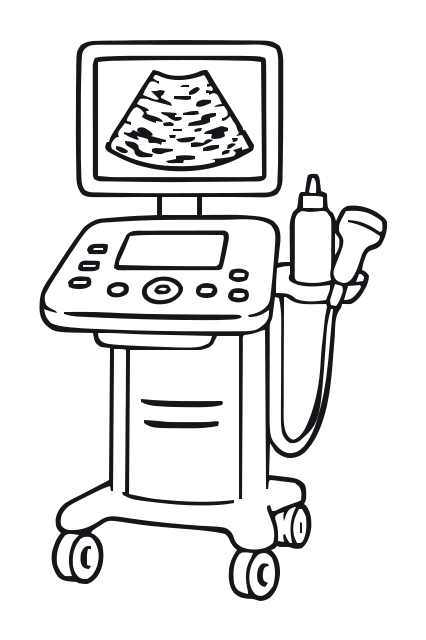
Sonographer
Healthcare & medical imagingScans patients with ultrasound — hearts, abdomens, blood vessels, pregnancies — finding the right views by hand while watching the screen, taking measurements, and passing images and preliminary findings to the doctor who reports them. Software now guides people who are not sonographers through a limited scan: in 2020 the US FDA authorised AI guidance whose key study had registered nurses with no scanning experience capture limited heart ultrasounds. Adapting a scan to a difficult patient or an unexpected finding, and caring for the person on the table, remain sonographers' work.
not a job-loss risk
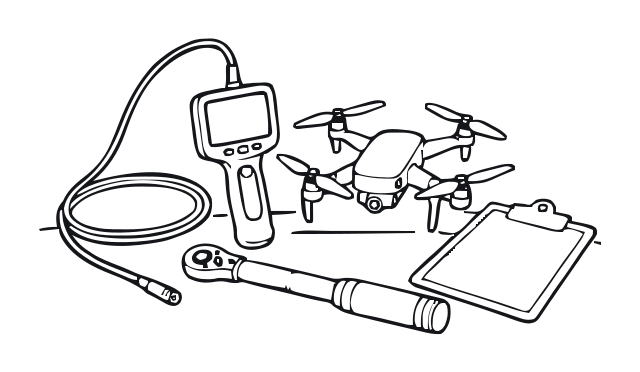
Aircraft maintenance technician
AviationKeeps aircraft airworthy and signs for it: carries out scheduled inspections and checks, troubleshoots faults, replaces and repairs components, inspects engines with borescopes, keeps maintenance records and — when certificated — approves the aircraft for return to service. Drones now photograph airframes for inspection and AI helps review engine blade images, cutting the time to a decision; but trained people still judge airworthiness from those images, and US rules allow only certificated people to approve an aircraft for return to service.
not a job-loss risk
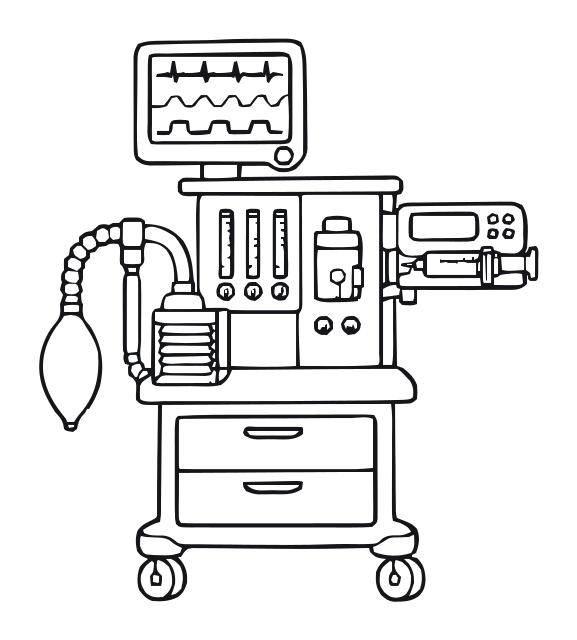
Anaesthesiologist / anaesthetist
HealthcareKeeps patients safe and unaware through surgery: assesses them beforehand, plans and delivers anaesthesia, watches their blood pressure, breathing and depth of anaesthesia minute by minute, manages the airway, and handles recovery and pain. Machines already help with the dosing and the watching — trials of closed-loop systems that adjust the anaesthetic automatically keep patients in the target range more of the time, and an algorithm cleared by the US regulator warns of low blood pressure before it happens. But every approval keeps a person in charge: the regulator cleared the warning algorithm only as an adjunct that may not direct treatment on its own, approved an automated sedation machine only for healthy adults with an anaesthesia professional immediately available, and two 2026 trials found the algorithm no better than a simple blood-pressure alarm.
not a job-loss risk
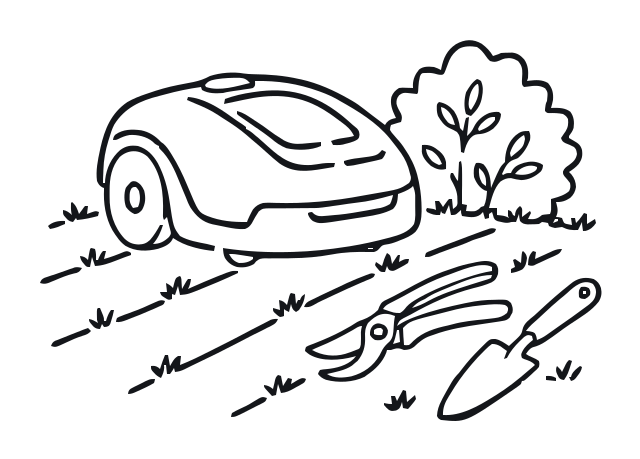
Gardener / landscaper
Grounds and landscapingKeeps parks, gardens, campuses and roadsides in shape: mowing, trimming and pruning, planting and building landscapes, applying fertiliser and pesticides, and keeping irrigation running. Mowing is where robots have arrived: Singapore's parks board says companies saved 80% of man-hours after switching to autonomous robotic mowers, Nashville is leasing robotic mowers for its parks, and Minnesota's legislature ordered research into autonomous mowing along its highways. The rest of the work stays hands-on — no record found shows machines pruning, planting or building gardens for clients, pesticide application requires certified people, and robotic mowers still detect small animals mostly by touching them. The US projects grounds maintenance jobs to grow 5 percent to 2035, without mentioning robots.
not a job-loss risk

Building inspector
Public administrationInspects buildings under construction and existing homes against codes and standards, reviews plans before permits are issued, writes reports and makes sure defects are corrected. Two changes are under way, both with people still deciding. Inspections are moving to video: Philadelphia's inspectors review minor jobs live through the customer's phone, and the US projects no growth in inspector jobs to 2035 because remote inspections reduce the need for government inspectors. Plan review is getting AI pre-checks: in a Seattle test, an AI tool's completeness and code checks were 87 and 92 percent accurate, but it did not catch every correction a staff reviewer would, and Honolulu requires the pre-check while keeping its own review. Most of this evidence concerns public inspectors; private home inspectors cannot enforce corrections.
not a job-loss risk
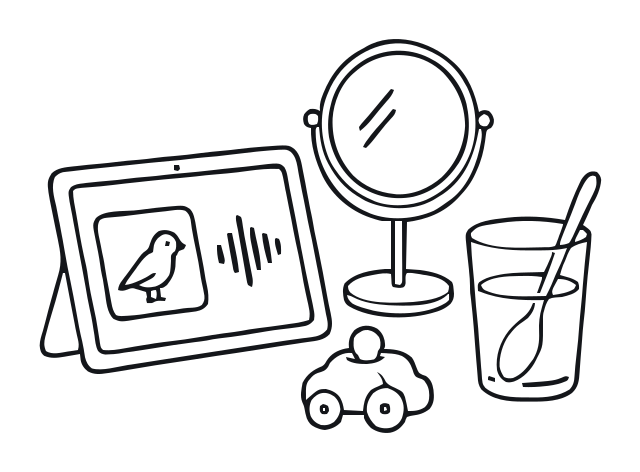
Speech-language pathologist / speech and language therapist
HealthcareAssesses and treats problems with speech, language, voice and swallowing in children and adults, runs therapy sessions and home practice, and coaches families and teachers. Software has taken on part of the practice: in the largest trial, self-managed computer therapy improved word finding after stroke 16.2% more than usual care but did not improve conversation, with therapists setting it up; England's guideline says to consider such programmes alongside face-to-face therapy rather than instead of it. AI that judges each practice attempt and flags patients at risk of swallowing problems is being tested. The US projects 17% growth to 2035 as the population ages.
not a job-loss risk
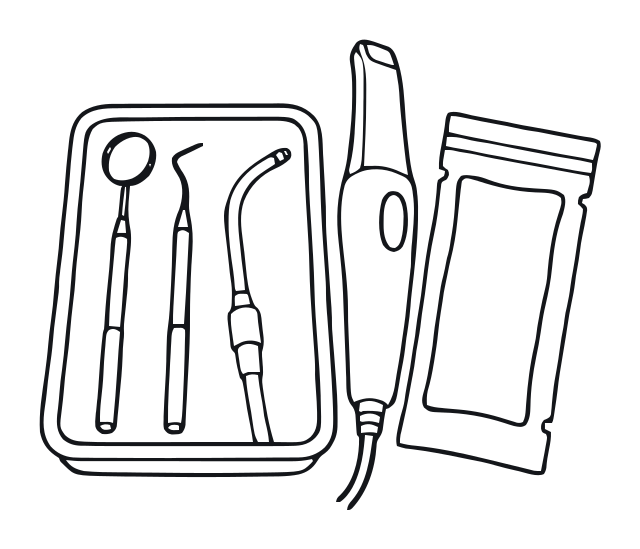
Dental assistant / dental nurse
HealthcareWorks beside the dentist: passing instruments and keeping the mouth clear during treatment, cleaning and sterilising instruments, taking X-rays and impressions, and keeping records and the front desk running. The tools are changing more than the job: intraoral scanners are faster than traditional impressions in studies, and Virginia now lets dental assistants and a new, separately trained digital scan technician take scans; instrument cleaning already runs through washer-disinfectors and sterilisers operated by dental nurses. AI voice charting aims at the assistant's recording role but transcribed periodontal charts with only 67.40% accuracy in one study. The US projects 7% growth.
not a job-loss risk
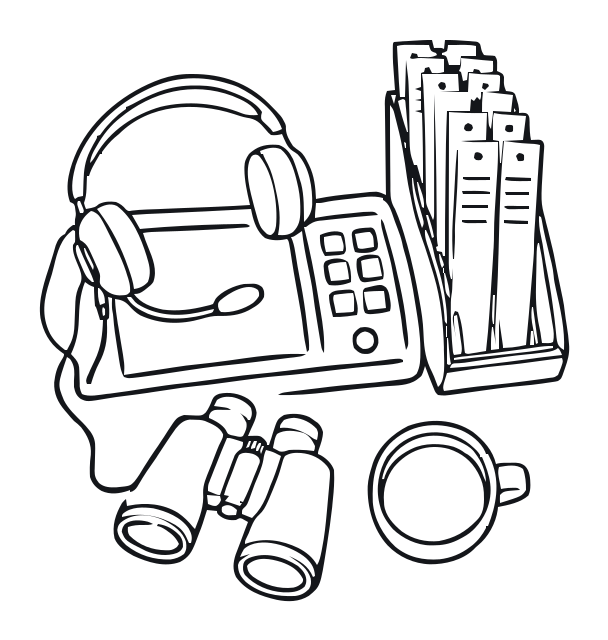
Air traffic controller
Air navigation servicesKeeps aircraft apart in a defined volume of airspace, in real time, with a licence that names them personally — and works for the kind of employer that is required by law to publish, every year, how many of them there are and what it is doing about it.
not a job-loss risk
Cleaner / janitor
Facilities and building servicesKeeps a building usable: floors, bins, bathrooms, spills, and the thousand small restorations nobody notices until they stop.
not a job-loss risk
Farmer
AgricultureGrows the food, and decides every season what to plant, when to spray and when to harvest — and is the occupation where a government counts, year by year, how much of its farmland is now sprayed by drones.
not a job-loss risk
Veterinarian
Veterinary careExamines animals, works out what is wrong, treats and operates on them, prescribes and signs the certificates owners need — and explains all of it to the person holding the lead. Software is reaching the reading of X-rays and tests and the writing of notes and reminders; in Singapore the law reserves treating an animal for licensed people.
not a job-loss risk

Bartender / barista
HospitalityMakes and serves drinks — coffee, cocktails, beer and wine — takes orders and payment, talks with customers, and for alcohol decides who may be served. Making the drink is the part machines already do in some places: robot coffee shops operate commercially in South Korea, a robot bartender mixes drinks at Singapore's Changi Airport, and a research humanoid completed 81% of bartending attempts in a lab. But where machines pour alcohol, the rules keep a person in charge: Washington requires an employee to check ID and signs of intoxication before a self-pour tap is switched on, and New South Wales requires self-pour cards to be issued by staff trained in responsible service. The US projects bartender jobs to grow 5 percent to 2035, without mentioning automation.
not a job-loss risk
Physiotherapist / rehabilitation therapist
Health careGets movement back: assesses what is actually limiting someone, treats with hands and exercise, and keeps them doing it for the twelve weeks it takes.
not a job-loss risk
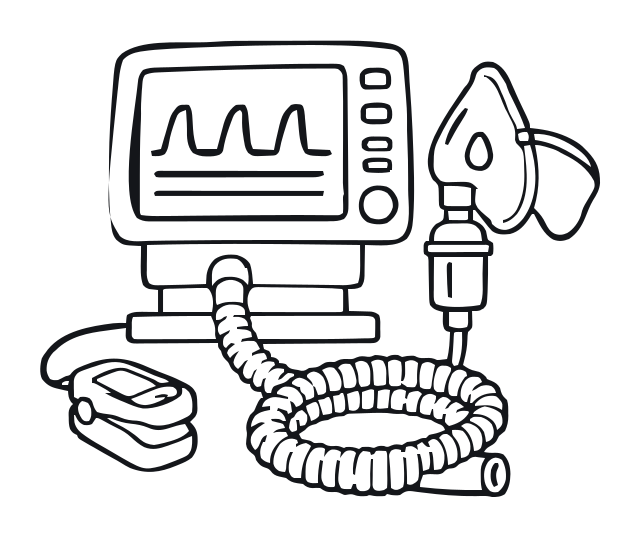
Respiratory therapist
HealthcareSets up and manages ventilators and weans patients off them, gives breathing treatments, keeps airways clear, measures blood gases and lung function, and supports people with chronic lung disease and home ventilation. Ventilators that adjust themselves and run weaning steps automatically are well studied: a 2025 review of 62 trials found they probably shorten ventilation by about a quarter, but the largest single trial found no gain in ventilator-free days, and clinicians still set the targets, watch the alarms and decide. Home ventilation is moving to remote monitoring, with algorithms raising alerts and people acting on them. The US projects 9% growth to 2035 because the population is ageing.
not a job-loss risk
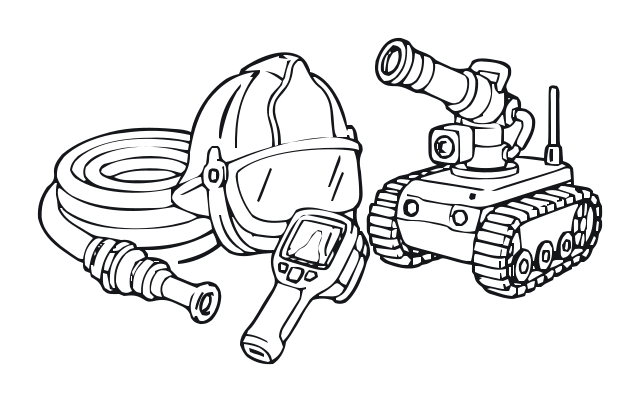
Firefighter
Public safety and emergency servicesGoes into the burning building so no one else has to — and is the occupation where a fire service has written down, in its own reports, how many of its people robots are meant to keep out of the most dangerous zone.
not a job-loss risk
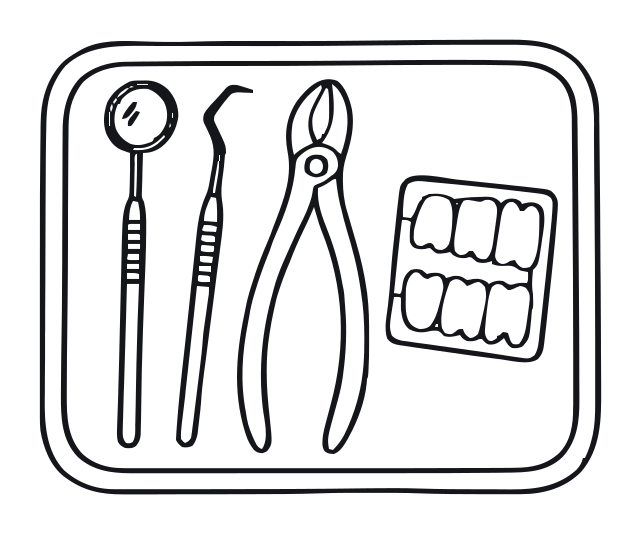
Dentist
HealthcareExamines, diagnoses and treats teeth and gums with their own hands — and is the occupation where a regulator has cleared AI to find decay on X-rays on the condition, written into the clearance, that a trained dentist makes the call.
not a job-loss risk
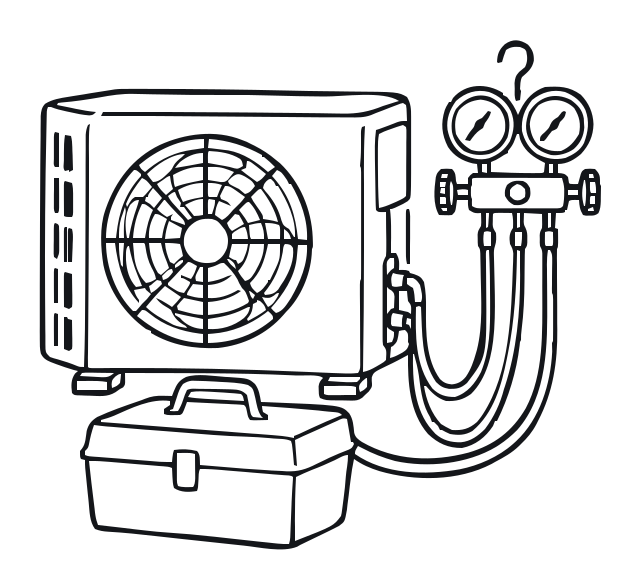
HVAC technician
Construction & tradesInstalls heating, ventilation, air-conditioning and refrigeration systems, diagnoses and repairs faults, handles refrigerants, checks for leaks, and deals with customers. Smart diagnostic tools help technicians find more faults and cut callbacks, and in large refrigeration systems US rules now require automatic leak detection that removes routine leak inspections. But the work itself is physical, and the law keeps it with certified people: in the US anyone who could open a refrigerant circuit must pass a certification exam and leak repairs must be done by a certified technician, and in the EU the people who install and service these systems must be certified. The US projects employment to grow 11 percent to 2035, without mentioning AI.
not a job-loss risk
Surgeon
HealthcareDecides with the patient whether to operate, plans the operation, carries it out by hand, through a laparoscope or at a robot's console, deals with what the scans did not show, and answers for the result. Surgical robots are not autonomous: the surgeon controls every movement from the console, and England's health technology body allows five soft-tissue systems in the NHS while evidence is gathered. A research robot has done the clipping-and-cutting steps of gallbladder removal on its own in eight gallbladders outside the body. Deciding, consenting, operating and handling the unexpected remain surgeons' work.
not a job-loss risk
Paramedic / EMT
HealthcareAnswers emergency calls on the road: assesses and treats patients on scene, reads their ECG, decides whether to take them to hospital, drives, hands over and writes the record; some paramedics also assess callers by phone from the control room. AI is arriving in the reading and the writing. In Taiwan, 14 fire stations had an AI read ambulance ECGs for heart attacks in 37 seconds on average, faster than on-call physicians, and London's ambulance service rolled out AI note-taking to its control-room paramedics. But the hands-on work stays with people: a UK trial found a mechanical chest-compression device did not improve survival, the US regulator clears it only as an adjunct when effective manual CPR is not possible, and an AI that recognised cardiac arrest in calls did not significantly improve dispatchers' recognition. The US projects EMT and paramedic jobs to grow 6 percent to 2035, without mentioning AI.
not a job-loss risk
Bricklayer / blocklayer
ConstructionSets out and lays brick, block and stone walls, cuts and points them, and repairs old masonry. Bricklaying robots have now built houses: in the Netherlands a robot laid a semi-detached house handed over in 2024, and a builder planned a pilot in which a robot lays all the brickwork on 8 of 60 homes, with a bricklayer alongside to fill mortar, rake out joints and restock bricks. The builder said the robot is not yet as fast as hand work and is limited to 6 metres. The best-known robot maker's own 2026 accounts show its machines fully impaired after a US builder let an option lapse. The US projects brickmason jobs to grow 1 percent to 2035 and names offsite prefabricated panels, not robots, as what limits demand.
not a job-loss risk
Carpenter / joiner
ConstructionFrames buildings, builds formwork for concrete, fits doors, windows, stairs and cabinets, cuts joinery and repairs what is already there. The change in this trade is factory work more than robots: in Japan 94 percent of post-and-beam houses now use joints cut by machine in a factory, and in Germany 22.2 percent of homes completed in 2024 were factory-built. Robot lines are building wall panels in Australia, but a heavily automated US framing factory, Katerra's, lost about 2.78 billion dollars and went bankrupt. A projection in a Japanese ministry report has the number of carpenters halving by 2035, and Japan is pushing precutting and panels because it cannot find enough of them. The US projects carpenter jobs to grow 4 percent to 2035, naming modular and prefabricated components, not robots, as what limits demand.
not a job-loss risk
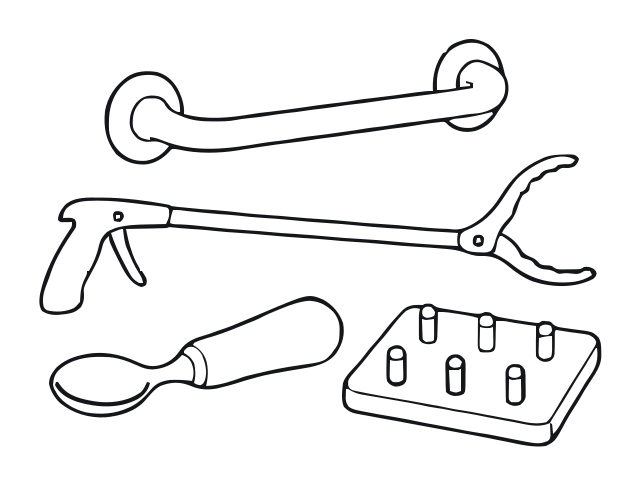
Occupational therapist
HealthcareHelps people who are ill, injured or disabled manage everyday life: assessing what they can do at home and work, running therapy, recommending equipment and home adaptations, and planning safe discharge from hospital. Robots and remote tools have been tested against therapists and mostly kept as additions: in a UK trial of 770 stroke patients, robot arm training did no better than usual care, and England's guideline now says not to offer it. Home visits by video cut a hospital service's therapist time from 160 to 40 minutes with no more falls, though one in five patients still needed an in-person visit. Online self-assessment now lets some people buy simple equipment without waiting for a therapist. The US projects 15% growth.
not a job-loss risk
Social worker
Social servicesHelps people and families through hardship, crisis and risk, and connects them to the support they need — and is the occupation where a government has put an AI note-taker into more than a hundred agencies while saying, in the same speech, that it is not replacing the human touch.
not a job-loss risk

Judge / magistrate
LegalHears cases and runs proceedings, researches the law, drafts judgments and orders, decides outcomes and sentences, and manages a docket. Judiciaries have started putting AI on judges' desks — England and Wales made a private Copilot Chat available to judicial office holders — while writing down where it may not go: judges must read the underlying documents, AI is a poor way to research new information, and courts should not delegate decision-making to it. China's Supreme People's Court says AI must never stand in for a judge's ruling while encouraging it for drafting assistance and case administration. Legal research tools still hallucinated in 17% to 33% of answers in a Stanford study. The US projects judge employment to grow 2 percent to 2035, without mentioning AI.
not a job-loss risk
Construction worker
ConstructionBuilds it on site: works in a space that is different every day, with materials that do not arrive square, alongside trades who are behind schedule.
not a job-loss risk
Registered nurse
HealthcareKeeps a patient safe and cared for through the hours when no doctor is in the room — and notices before the numbers do.
not a job-loss risk
Cabin crew
AviationServes the cabin, and is there to get everyone out of it — and is the occupation where the law sets the minimum number of people by counting seats and exits, for a reason written into the rule: evacuation.
not a job-loss risk
Massage therapist
Healthcare & wellnessAssesses clients and treats them by hand — relaxation and sports massage in spas and gyms, and therapeutic work on pain and injury alongside other clinicians. Robot massage has reached the relaxation end: a luxury hotel spa now offers a fully self-guided robotic massage. The clinical evidence is early: a systematic review found 17 studies of massage robots, only one of them a randomised trial, and describes robots as an adjunct; in one trial a robot added to standard physiotherapy for low back pain did at least as well as the control treatment. Assessment, clinical judgement and treating injured people stay with the therapist, and the US projects massage therapist jobs to grow 15 percent to 2035, without mentioning robots.
not a job-loss risk
Hairdresser / barber
Personal careCuts, colours and styles hair, works out with each client what they want, and often runs a small salon or barbershop. This is one of the jobs least touched by automation on present evidence. Research robots can comb and brush hair, but only on wigs and mannequins, and no record found shows a machine cutting or colouring hair for a paying client. What is changing is around the chair: apps let clients try colours on a live camera image, and salon software now answers calls and books appointments with AI. The US projects employment of barbers, hairstylists and cosmetologists to grow 7 percent to 2035, without mentioning AI.
not a job-loss risk
Electrician
Skilled trades & constructionInstalls, tests and repairs the wiring and equipment that everything else depends on — in buildings that are never quite as drawn.
not a job-loss risk
Midwife
HealthcareCares for women through pregnancy, labour and the weeks after birth: antenatal checks and risk assessment, monitoring the baby's heart rate in labour, attending births and emergencies, and postnatal and newborn care. Computer reading of fetal heart traces has been tested at scale and found wanting in labour: in a UK trial of 47,062 women it did not improve outcomes, England's guideline body said one-to-one care should not be replaced by automated interpretation, and NHS England now requires an hourly second-person review. Before labour, England recommends computerised analysis of the trace. Home blood-pressure monitoring did not detect high blood pressure sooner in a large trial. The US projects 11% growth for nurse-midwives.
not a job-loss risk
Care worker / nursing assistant
Health care and social assistanceThe person who does the physical work of looking after someone who cannot look after themselves — washing, moving, feeding, watching — and who is usually the first to notice something has changed.
not a job-loss risk
Plumber
Skilled trades & constructionInstalls, repairs and maintains the pipes, drains and fixtures that bring water in and take waste out — work done by hand on sites that are never quite the same twice. Software reaches the quoting, booking and leak-finding around the job; in Singapore the law reserves the work itself for licensed plumbers.
not a job-loss risk

AI implementation lead
Management & operationsThe person inside a company who has to make the tools actually land: choosing what to try first, checking whether it works on this company's own work, deciding what it is allowed to do unsupervised, and being there when it gets something wrong.
not a job-loss risk
The index is for comparing occupations on one consistent basis. It is not a probability that you personally lose your job — that depends on your employer, your region, your seniority and which tasks actually fill your week. How the index is built →