 LO
LO
Radiologist — how we know
The page itself gives the judgements. This one gives what they rest on: which technologies bear on the work, how the estimate moved since language models reached the public, and the method behind both.
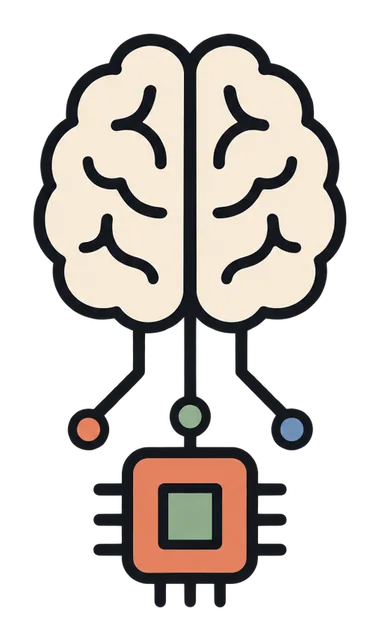
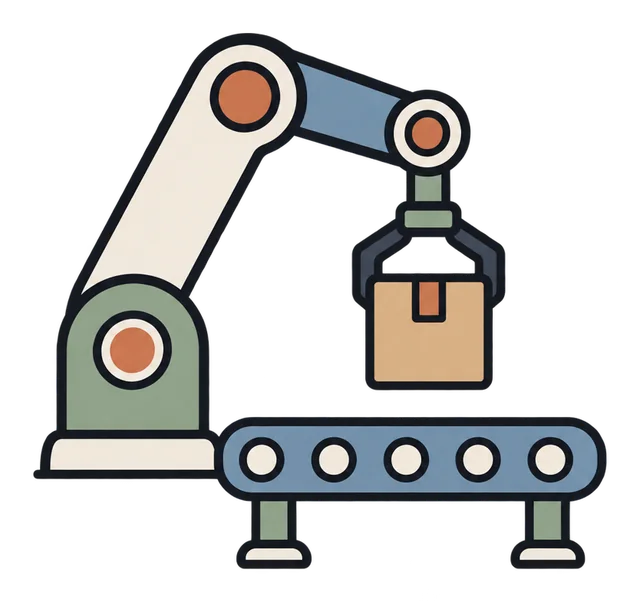
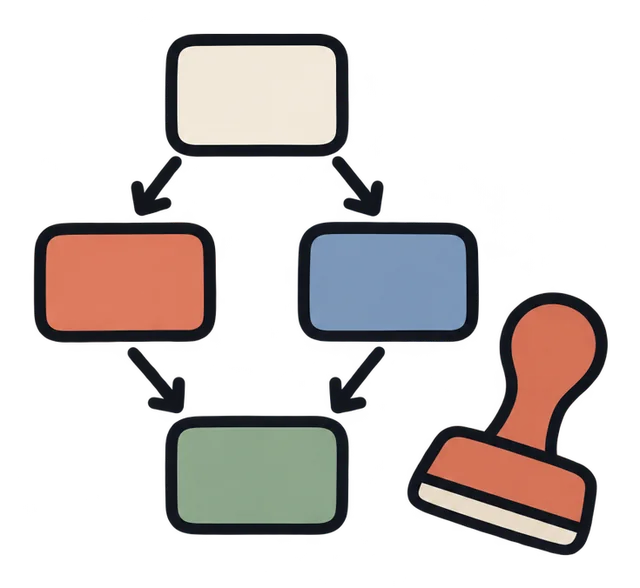
Which technologies matter here#
Four separate signals. They are deliberately not added together — a job exposed to two technologies is not twice as exposed.
How it got here#
The index is not a static number. This is where it would have sat at each capability checkpoint since ChatGPT — reconstructed, and labelled as such.
—— this stretch contains a verified event- - - no event in this stretch — reconstruction only0 = no task exposed, 100 = every task exposed
● 4 verified events for this occupation, plotted at the date it happened — the parts of the line near a marker are anchored to something checkable.
A high starting point that has nothing to do with generative AI: computer-aided detection was cleared for mammography in the late 1990s and deployed widely, so this occupation entered the period already partly automated — and already knowing how that felt. The climb through 2023-2025 is narrow detectors and triage tools reaching the reading room in quantity. It flattens well below its most exposed task, and the reason is what the famous 2016 prediction left out: a clearance is not a deployment, a detection is not a signature, and the incidental finding is the answer to a question the model was never asked. Note what the curve cannot show: whether cheaper reading raises the number of studies ordered. That is the open question for this occupation, and it points the other way from the curve.
A flat line is not a forecast of safety. It says which tasks automation has reached so far — the occupations that moved least here are the ones where the constraint is physical or regulatory, and both of those can change.
Written about this#
These pieces argue from the same records this page holds, and each of their sections names what it rests on.
Method and sources#
- Assessment date
- 2026-09-12
- Basis of the task judgements
- 3 evidence-backed · 3 platform inference · 0 not enough evidence
- Verified events
- 5