 LO
LO
Registered nurse — how we know
The page itself gives the judgements. This one gives what they rest on: which technologies bear on the work, how the estimate moved since language models reached the public, and the method behind both.
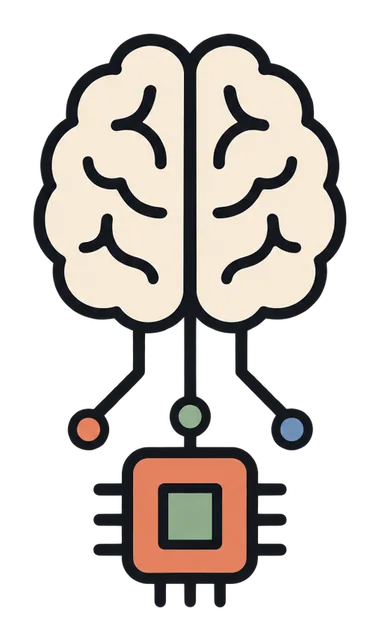
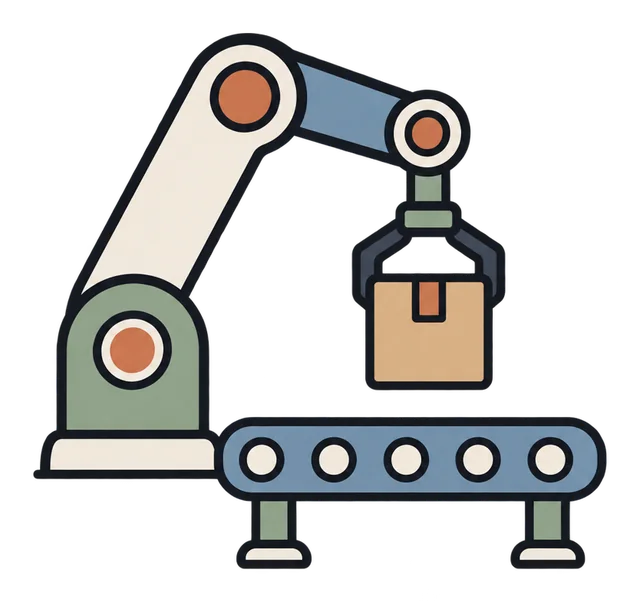
Which technologies matter here#
Four separate signals. They are deliberately not added together — a job exposed to two technologies is not twice as exposed.
How it got here#
The index is not a static number. This is where it would have sat at each capability checkpoint since ChatGPT — reconstructed, and labelled as such.
—— this stretch contains a verified event- - - no event in this stretch — reconstruction only0 = no task exposed, 100 = every task exposed
● 3 verified events for this occupation, plotted at the date it happened — the parts of the line near a marker are anchored to something checkable.
The lowest curve on the site apart from the electrician, and it climbs for a specific reason: documentation. Ambient note-taking is genuinely deployed on wards and gives hours back. Everything else about the job involves touching a frightened person, and care robotics has produced lifting aids, not carers.
A flat line is not a forecast of safety. It says which tasks automation has reached so far — the occupations that moved least here are the ones where the constraint is physical or regulatory, and both of those can change.
Written about this#
These pieces argue from the same records this page holds, and each of their sections names what it rests on.
Method and sources#
- Assessment date
- 2026-09-10
- Basis of the task judgements
- 3 evidence-backed · 2 platform inference · 0 not enough evidence
- Verified events
- 4