 LO
LO
Airline pilot — how we know
The page itself gives the judgements. This one gives what they rest on: which technologies bear on the work, how the estimate moved since language models reached the public, and the method behind both.
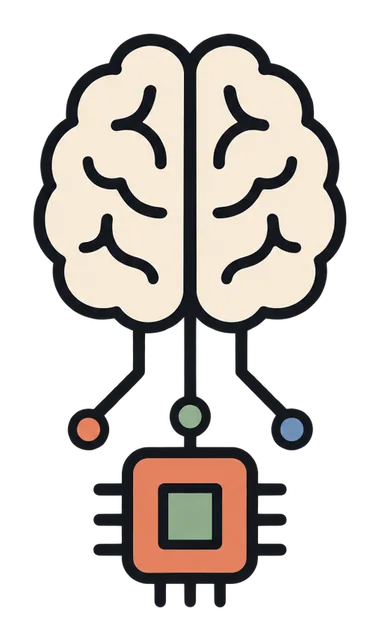
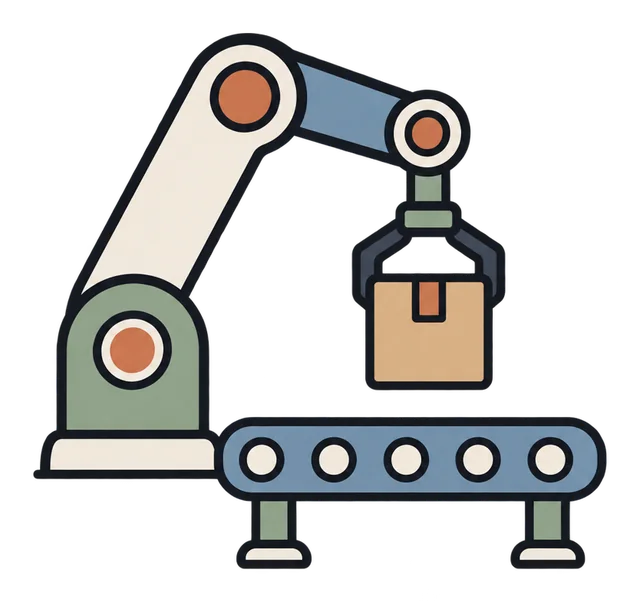
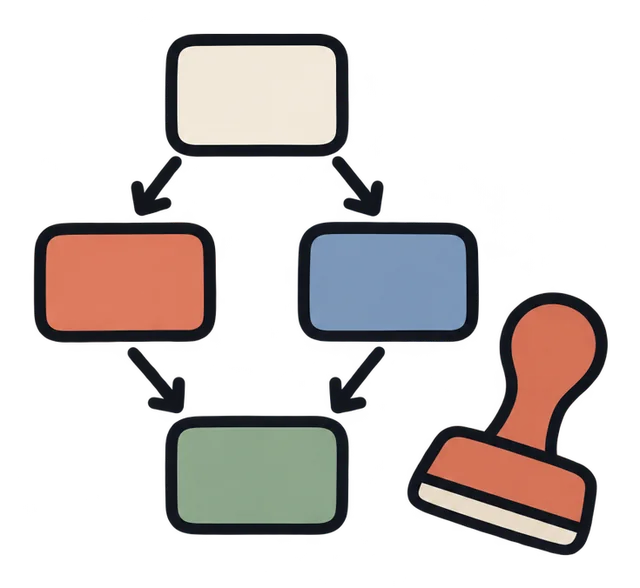
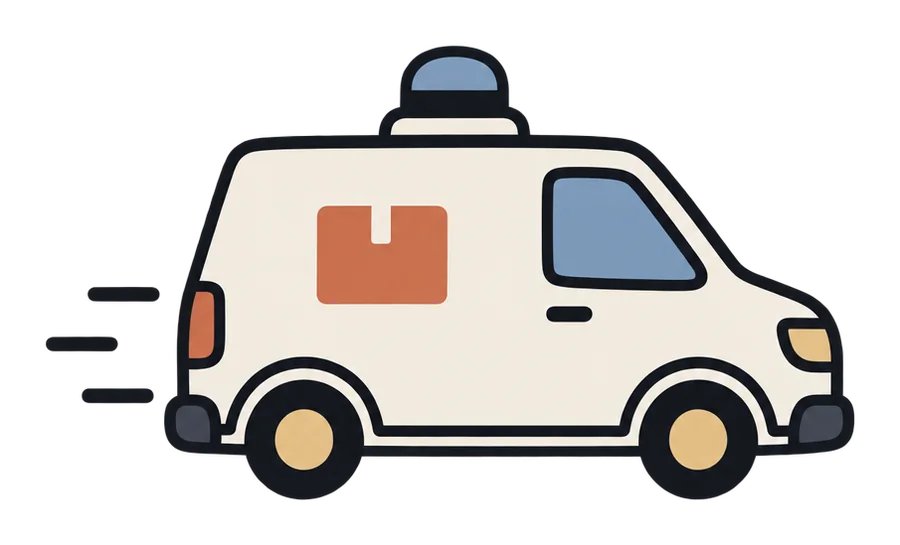
Which technologies matter here#
Four separate signals. They are deliberately not added together — a job exposed to two technologies is not twice as exposed.
How it got here#
The index is not a static number. This is where it would have sat at each capability checkpoint since ChatGPT — reconstructed, and labelled as such.
—— this stretch contains a verified event- - - no event in this stretch — reconstruction only0 = no task exposed, 100 = every task exposed
Nearly as flat as the controller's line beside it, and for the same reason with one difference worth reading. The starting level is the highest of the flat group, because this cockpit was already the most automated workplace on this site before any of this: autopilot, flight management and automatic landing are decades old and none of what changed after 2022 is built on them. The checkpoints where other occupations climb steeply do almost nothing here, because the capability class that moved — reading, drafting, answering — is not what this job is gated on. What gates it is a licence that requires a named person to have personally carried out three take-offs and landings in the preceding ninety days, and that changes by rulemaking rather than by release note. The small late rise is the licensing regime itself widening to name a new category of aircraft that exists because of control automation. Read the height and the slope as two separate facts: this line is high because the machine already flies, and flat because the rule still says who is responsible when it does.
A flat line is not a forecast of safety. It says which tasks automation has reached so far — the occupations that moved least here are the ones where the constraint is physical or regulatory, and both of those can change.
Method and sources#
- Assessment date
- 2026-09-23
- Basis of the task judgements
- 2 evidence-backed · 4 platform inference · 0 not enough evidence
- Verified events
- 1