 LO

Dermatologist — how we know
The page itself gives the judgements. This one gives what they rest on: which technologies bear on the work, how the estimate moved since language models reached the public, and the method behind both.
Which technologies matter here#
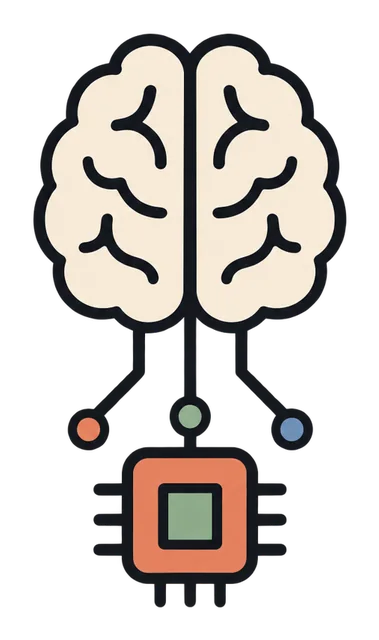
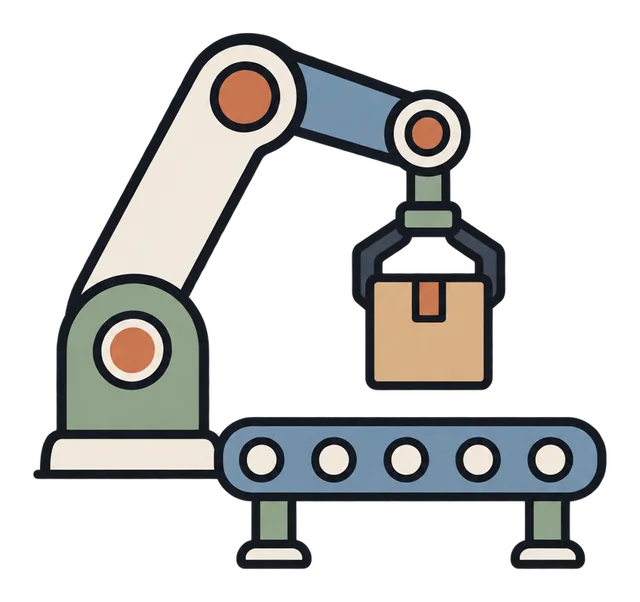
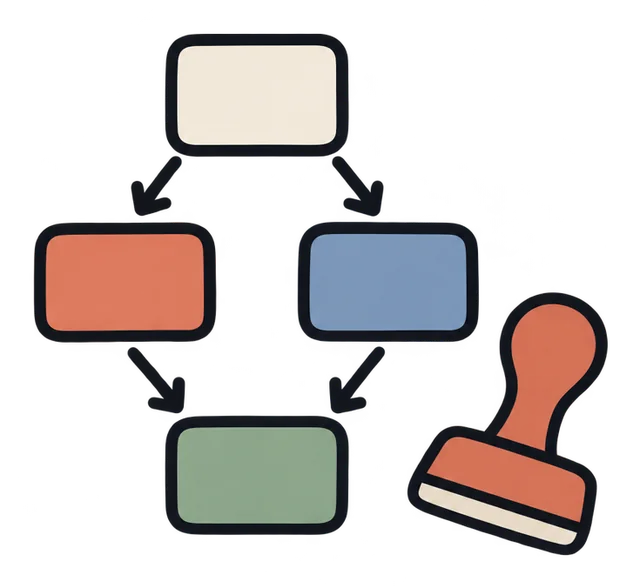
Four separate signals. They are deliberately not added together — a job exposed to two technologies is not twice as exposed.
How it got here#
The index is not a static number. This is where it would have sat at each capability checkpoint since ChatGPT — reconstructed, and labelled as such.
—— this stretch contains a verified event- - - no event in this stretch — reconstruction only0 = no task exposed, 100 = every task exposed
● 1 verified event for this occupation, plotted at the date it happened — the parts of the line near a marker are anchored to something checkable.
The curve starts at 20 because dermatology had dermoscopy software, body-mapping photography and store-and-forward photo referrals before language models. Those changed how lesions were recorded and tracked, but not who judged them. It rises slowly over the first checkpoints after language models arrived, as drafting tools reached notes, letters and patient messages. That work is a minor share of the job and still signed by the doctor. It climbs more steeply in the later checkpoints as image classifiers move from research into referral triage in health systems with long waits, the one task where a machine can decide alone. It ends at 37, well below the radiologist's curve, because biopsy, surgery, cosmetic work and chronic disease make up most of the job and have barely moved.
A flat line is not a forecast of safety. It says which tasks automation has reached so far — the occupations that moved least here are the ones where the constraint is physical or regulatory, and both of those can change.
Method and sources#
- Assessment date
- 2026-10-25
- Basis of the task judgements
- 1 evidence-backed · 5 platform inference · 0 not enough evidence
- Verified events
- 1