VOLOVLOAutomation risk & transition, task by task
AskOccupationsMajorsBusinessFoundersChangesNotesMethod
Search occupations, majors…For agents
EN
  • English
  • 简体中文
  • 日本語
  • Español
  • Português
  • Français
VLO
VOLO

Understanding how automation changes work — task by task, with the evidence shown and the uncertainty admitted.

AskOccupationsMajorsBusinessFoundersChangesNotesMethodWill AI replace my job?AboutRole diagnosisOpen dataOntologyFor agentsVOLO ProPrivacyTerms
© 2026 VOLO
Occupations
All occupations
AI / software
Translator / InterpreterBank tellerCopywriterContent moderatorCustomer service representativeAdministrative assistantSoftware tester / QA engineerData entry clerkGraphic designerParalegalVideo editorAccountant / BookkeeperTelemarketer / telesales agentMarketing specialistFrontend developerTax preparer / tax agentVoice actorMedical coderData analystInsurance claims handlerTechnical writer / documentation engineerJunior software developerInsurance underwriterHR / recruiterLoan officer / credit officerFinancial analystProcurement / supply chain specialistJournalistSales / account managerReal estate agentNetwork engineerIllustratorTravel agent / travel advisorIT support specialist / helpdeskAuditorSupply chain plannerManagement consultantPhotographerBackend developerAI researcherProduct / UX designerBusiness systems ownerE-commerce operations specialistActuaryAnimator and VFX artistWriter and authorPayroll specialist / payroll clerkRadiologistData engineerProject managerData scientistCourt reporterEditor and proofreaderLawyerMedical assistant / clinic assistantQuantity surveyorContent creatorQuantitative analystGame developer and designerMachine learning engineerExperienced software engineerDevOps engineer / platform engineer / SREBusiness analystMusician and composerGIS analyst / cartographerProperty appraiser / valuerProperty managerProduct managerDietitian / nutritionistEconomistPharmacistPartnerships / channel managerSecurity analyst (SOC)Financial adviser / financial plannerInterpreterPathologistChip design engineerGrant writer / grants officerCompliance officerLibrarianDrafter / CAD technicianArchitectFirst-line manager / team supervisorCounsellor / psychotherapistRetail salesperson / shop assistantCivil / structural engineerElectrical engineerIndustrial engineerStatisticianSecurity guardInterior designerUniversity lecturerPsychologistDermatologistBus driverInsurance agentMechanical engineerFashion designerOptometristNotarySchool teacherGeneral practitioner / primary care doctorAirline pilotDriving instructorUrban plannerEmergency dispatcherWaiter / restaurant serverRadiographer / radiologic technologistLand surveyorAuto mechanic / vehicle technicianPsychiatristPolice officerSonographerAircraft maintenance technicianDental hygienistAnaesthesiologist / anaesthetistBuilding inspectorSpeech-language pathologist / speech and language therapistNurse practitionerAir traffic controllerVeterinarianBartender / baristaPhysiotherapist / rehabilitation therapistDentistSurgeonParamedic / EMTConstruction workerSocial workerJudge / magistrateRegistered nurseMassage therapistMidwifeCare worker / nursing assistantPlumberAI implementation leadChildcare worker / early-years educator
RPA / self-service
Government service clerkOperations coordinatorMetro train driverReceptionist / front deskPharmacy technicianPhlebotomistDental assistant / dental nurseRespiratory therapistOccupational therapist
Robotics
Retail cashier / shop assistantContainer port workerWarehouse workerAssembly line workerMedical laboratory technicianActor and modelMachinist / CNC machinistWelderSewing machine operatorChef / cookGardener / landscaperCleaner / janitorFarmerFirefighterHVAC technicianBricklayer / blocklayerCarpenter / joinerCabin crewHairdresser / barberElectrician
Autonomous driving
Ride-hail / taxi driverTruck driverDelivery rider / courier
Majors
All majorsEnglish / Foreign languagesComputer scienceAccountingPsychologyJournalism / CommunicationFinanceLawVisual communication designMarketingNursingBusiness administrationEducation and teacher trainingArchitecturePublic administrationMedicineHospitality and tourism managementEconomicsInformation systems
Guides
Ask VOLOFor businessFor foundersRecent changesNotesFor institutionsVOLO ProMethod & evidenceAboutFollow an occupationSearch
You are reading as:I have a jobI am studyingI run a companyI am building something
On this pageWhich technologiesHow it got hereMethod and sources
Occupations›Sewing machine operator›How we know

Sewing machine operator — how we know

The page itself gives the judgements. This one gives what they rest on: which technologies bear on the work, how the estimate moved since language models reached the public, and the method behind both.

Assessed
2026-10-25
With evidence
0/7
Verified events
0

Which technologies matter here#

Four separate signals. They are deliberately not added together — a job exposed to two technologies is not twice as exposed.
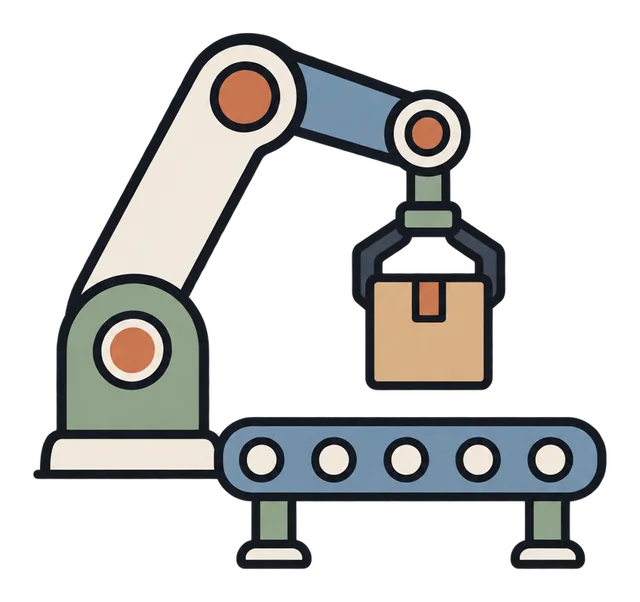
Physical automation
Sewing seams by guiding the fabricLoading automatic and template machinesThreading, setting up and minding the machineMatching parts, trims and suppliesSetting up programmed and automated sewing units
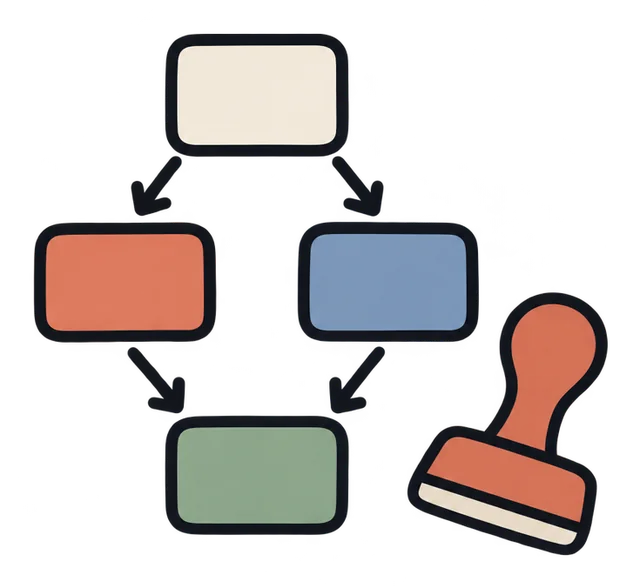
Process & self-service
Loading automatic and template machinesChecking stitching and finished piecesRecording pieces and output
Cognitive automation
Matching parts, trims and suppliesChecking stitching and finished piecesSetting up programmed and automated sewing units

How it got here#

The index is not a static number. This is where it would have sat at each capability checkpoint since ChatGPT — reconstructed, and labelled as such.

Reconstructed · platform inferenceEstimated today for each past checkpoint — not measured at the time. 32 → 37.
1007550250
123456789not assessed
2022 H22024 H2Now

—— this stretch contains a verified event- - - no event in this stretch — reconstruction only0 = no task exposed, 100 = every task exposed

Starts at 32 because automatic buttonhole, bartack and pocket machines, programmable pattern sewers and bundle-scanning systems were already on garment lines before language models, while the main seams were sewn by hand. It rises slowly to 37 as camera inspection and digital output tracking spread and programmable machines become cheaper. Language models touch almost nothing in the core task, and robotic sewing cells stayed confined to a few simple products, so the curve never steepens.

12022 H232General-purpose text generation reaches the public. Before this point, exposure came from automation that was already deployed — OCR, RPA, machine vision, self-checkout, dispatch algorithms. ChatGPT research preview (2022-11-30) ↗
22023 H132A general model that passes professional exams. First-draft quality crosses the threshold where professional work starts using it. GPT-4 (2023-03-14) ↗
32023 H233Vision input, long context and tool calling. Models can be pointed at documents and connected to systems, which is what moves process work rather than writing work. GPT-4 Turbo:128k 上下文、视觉、工具调用(DevDay) (2023-11-06) ↗
42024 H133The same capability gets much cheaper and faster. Nothing new becomes possible; a lot becomes affordable at volume, which is when deployment decisions change.
52024 H234Reasoning models that work through multi-step problems, and the first models that operate a computer by looking at the screen. The second one is what reaches software-operating jobs. OpenAI o1(推理);同期 Claude 的 computer use 进入公测 (2024-09-12) ↗
62025 H134Agents begin operating real software end to end rather than producing text for a person to paste. This is also when the first public reversals appear — organisations that automated and partly undid it. Claude 3.7 Sonnet 与 Claude Code:混合推理 + 命令行编码代理 (2025-02-24) ↗
72025 H235Long context and tool use become the default rather than a feature. Capability gains continue; the visible constraint shifts from what models can do to liability, procurement and cost. GPT-5(2025-08-07);Claude Opus 4.5(2025-11-24) (2025-08-07) ↗
82026 H136Long-horizon agents land inside specific industry workflows. Adoption becomes sector-specific rather than general. GPT-5.5:「专为实际工作打造」 (2026-04-23) ↗
9Now37The current assessment — this point is the impact index published on the occupation's page, so the curve is anchored to a number the site already stands behind. Worth noting for the flat curves: in the same weeks, a research preview of a shared specification for AI agents to operate physical devices was opened to research labs and manufacturers. That is the first capability class pointed at the physical occupations whose lines here barely move. GPT-6 Astra(2026-09-03);Claude Fable 5.1 / Mythos 5.1(2026-09-01);Model Hardware Standard 研究预览(2026-08-27) (2026-09-03) ↗

A flat line is not a forecast of safety. It says which tasks automation has reached so far — the occupations that moved least here are the ones where the constraint is physical or regulatory, and both of those can change.

Method and sources#

Assessment date
2026-10-25
Basis of the task judgements
0 evidence-backed · 7 platform inference · 0 not enough evidence
Verified events
0

How we assess an occupation →

← Back to Sewing machine operatorThe other layer: every task, one by one →Skills, knowledge and related jobs (O*NET) →